



29 Jul Tesla Powerwall Review for South Australian Homes
A home battery has to do more than look impressive on a specification sheet. For South Australian households dealing with high evening electricity use, hot summers and changing feed-in returns, it needs to store the solar energy you actually use, support essential circuits when the grid fails and fit properly with your existing or planned solar system. This Tesla Powerwall review looks at where the system performs strongly, where the decisions need more care and who is likely to benefit most.
Tesla remains one of the most recognisable names in home battery storage, and for good reason. Powerwall is designed as a complete household energy solution rather than simply a box that holds spare solar power. But the right result depends on your roof, consumption patterns, switchboard, backup expectations and eligibility for available South Australian battery incentives.
What Tesla Powerwall is designed to do
Tesla Powerwall stores electricity generated by your solar panels during the day so it can be used later, when household demand is usually highest. For many homes, that means running evening appliances, lighting, cooking, entertainment and cooling without buying as much electricity from the grid.
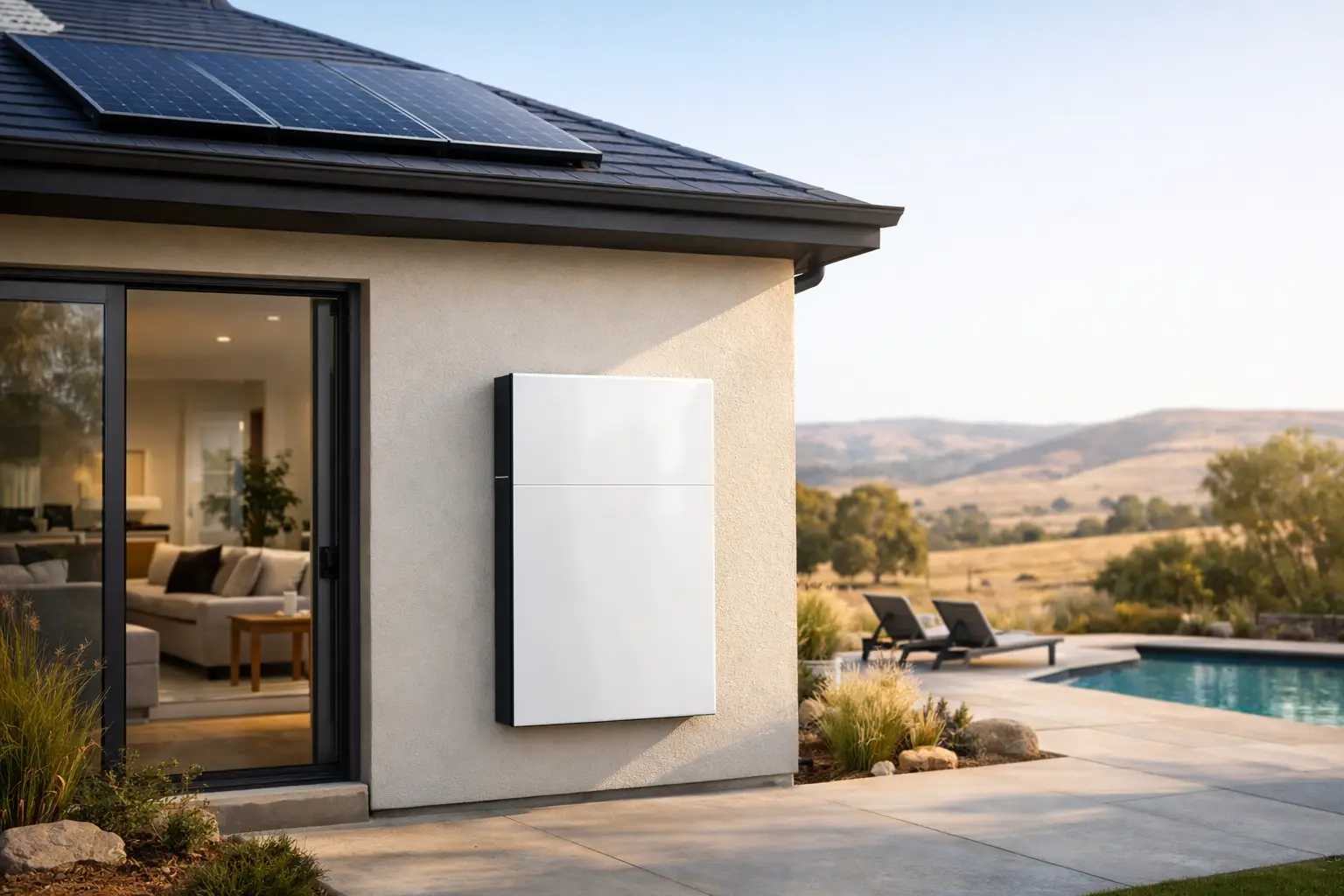
The current Powerwall platform offers 13.5 kWh of usable battery capacity per unit, with the option to add capacity where a home has higher energy needs. It can be installed alongside a new solar system or integrated into many existing systems following a proper site assessment. Its compact wall-mounted design also makes it a practical option for homes where space needs to be considered carefully.
What separates Powerwall from a basic storage solution is the way it manages energy. The system monitors solar generation, home consumption, battery level and grid activity, then responds automatically. Owners can track this performance through the Tesla app, giving a clear view of where their energy is coming from and how the household is using it.
Tesla Powerwall review: the benefits that matter
For many South Australian homes, the biggest advantage is greater solar self-consumption. Exporting unused solar energy can still deliver a credit, but that credit is often less valuable than using stored solar electricity after sunset. A battery gives your household more control over when the energy from your roof is used.
Powerwall can also provide backup power during a blackout when configured with the appropriate backup equipment. This is particularly valuable for regional properties and households that want to keep selected essential loads operating during an outage. Depending on the design, this may include refrigeration, lighting, internet, security systems and selected power outlets.
Backup should never be treated as a one-size-fits-all feature. A household that expects every appliance, large air conditioner and high-demand electrical load to run as usual during an extended outage needs a detailed engineering discussion. The battery’s capacity and output, the number of loads being backed up and the home’s energy habits all affect the outcome.
Another strength is the customer experience. Tesla’s monitoring app is easy to understand for most homeowners, without removing the detail that energy-conscious users want to see. You can follow daily solar production, battery charging and discharging, grid imports and exports, and backup events from your mobile.
The system may also be suitable for participation in a Virtual Power Plant program, subject to the program terms and system configuration. For the right household, this can create another way to use battery capacity strategically. It is worth reviewing the conditions closely, particularly around how and when the battery may be called upon.
Where Powerwall may not be the automatic answer
A Tesla Powerwall is a premium battery solution, so the decision should be based on a realistic assessment of your energy goals rather than brand recognition alone. If your home has very low overnight consumption, limited solar generation or a roof with significant shading, the battery may not be used to its full potential without addressing those factors first.
Likewise, a battery is not a substitute for a correctly sized solar system. A modest solar array may struggle to fully recharge a battery consistently during winter or through periods of poor weather. In that situation, adding storage without looking at solar capacity can limit the financial and practical benefit.
Homes with three-phase power, substantial electric heating or cooling, pools, workshops, EV charging or large family demand require careful system design. These homes can be excellent battery candidates, but only if the system is tailored around actual consumption data. The aim is not simply to install the largest possible battery. It is to build a system that works reliably for your property and the way you live.
Is it a good fit for South Australia?
South Australia is well suited to battery storage. The state has strong solar conditions, many households with existing rooftop PV and a clear need to manage peak-time electricity use. A well-designed Powerwall system can help turn daytime solar generation into useful evening energy, reducing reliance on grid electricity when rates are often less favourable.
It can be especially compelling for households that are home in the late afternoon and evening, use air conditioning through summer, or have moved towards electrification with appliances such as induction cooking and EV charging. Regional property owners may place greater value on backup capability, while suburban households may focus primarily on bill reduction and energy independence.
Available government-backed battery programs can also influence the decision. Eligibility, funding levels, approved equipment and program requirements can change, so it pays to receive current advice before committing. Rebate assistance is not just paperwork – it is part of ensuring the proposed battery system meets the relevant requirements from the start.
Installation quality is just as important as the battery
The Powerwall itself is only one part of the result. Correct placement, compliant electrical work, switchboard integration, solar compatibility, backup design and commissioning all matter. A battery installation should begin with a site inspection and a clear conversation about what you want it to achieve.
A qualified installer should examine your solar system’s age and capacity, roof production profile, household consumption, meter arrangement, available wall space and electrical infrastructure. They should also explain what will happen during a blackout, including which circuits are supported and how you can manage heavy loads.
This is where choosing an established local provider makes a difference. South Australian conditions, local grid requirements and rebate processes should not be an afterthought. Allstate Solar provides end-to-end solar and battery installation support, with licensed and accredited trades focused on getting the system designed and installed correctly the first time.
Questions to ask before choosing a Powerwall
Before proceeding, ask for an assessment based on your real electricity usage, not a generic estimate. Twelve months of bills can reveal seasonal patterns that a single month misses. A household with heavy summer cooling has different requirements from one with high winter heating demand or frequent daytime occupancy.
You should also ask whether your existing solar inverter is compatible, whether additional solar capacity would improve battery performance, and what backup arrangement is proposed. Clarify whether the design is intended to support only essential circuits or a wider portion of the home. If you are considering a Virtual Power Plant, ask how participation could affect your stored energy and backup preferences.
Finally, make sure the quote and design documentation explain the equipment, installation scope, warranty arrangements and expected operating behaviour in plain language. A good battery system should not leave you guessing about what happens when the sun goes down or the grid goes off.
The verdict for homeowners
Tesla Powerwall is a strong choice for South Australian homeowners who want a recognised battery platform, practical energy monitoring and the option of properly designed backup power. Its greatest value comes when it is paired with sufficient solar generation and matched to a household’s real energy use.
It will not be the ideal solution for every property, and it should not be selected on capacity alone. The right battery decision starts with a detailed assessment of your home, your energy habits and the outcomes you want over the years ahead. If Powerwall is on your shortlist, arrange a professional consultation, check your current rebate options and make sure the proposed system is designed around your household rather than a standard package.
No Comments