



02 Nov Solar Panel Review: What SA Homes Should Check
A useful solar panel review should do more than compare panel brands or focus on a headline system size. For South Australian households, the right result comes from matching quality equipment, roof conditions, daytime energy use and future plans in one properly designed installation. A system that looks good on paper can still underperform if the layout, inverter, electrical work or installation standards are not right.
The aim is straightforward: use more of your own solar generation, reduce reliance on grid electricity and build a system that remains suitable as your household changes. Whether you are planning for a growing family, an electric vehicle, a pool, a home office or battery storage, a little scrutiny before you sign can make a significant difference over the life of the system.
What a solar panel review should actually assess
Panel efficiency matters, but it is only one part of the decision. Efficiency describes how effectively a panel turns available sunlight into electricity. On a constrained roof, higher-efficiency panels may help you fit more generation into the usable space. On a larger regional property with ample roof area, the wider system design and long-term reliability may matter more than squeezing every possible watt into each panel.
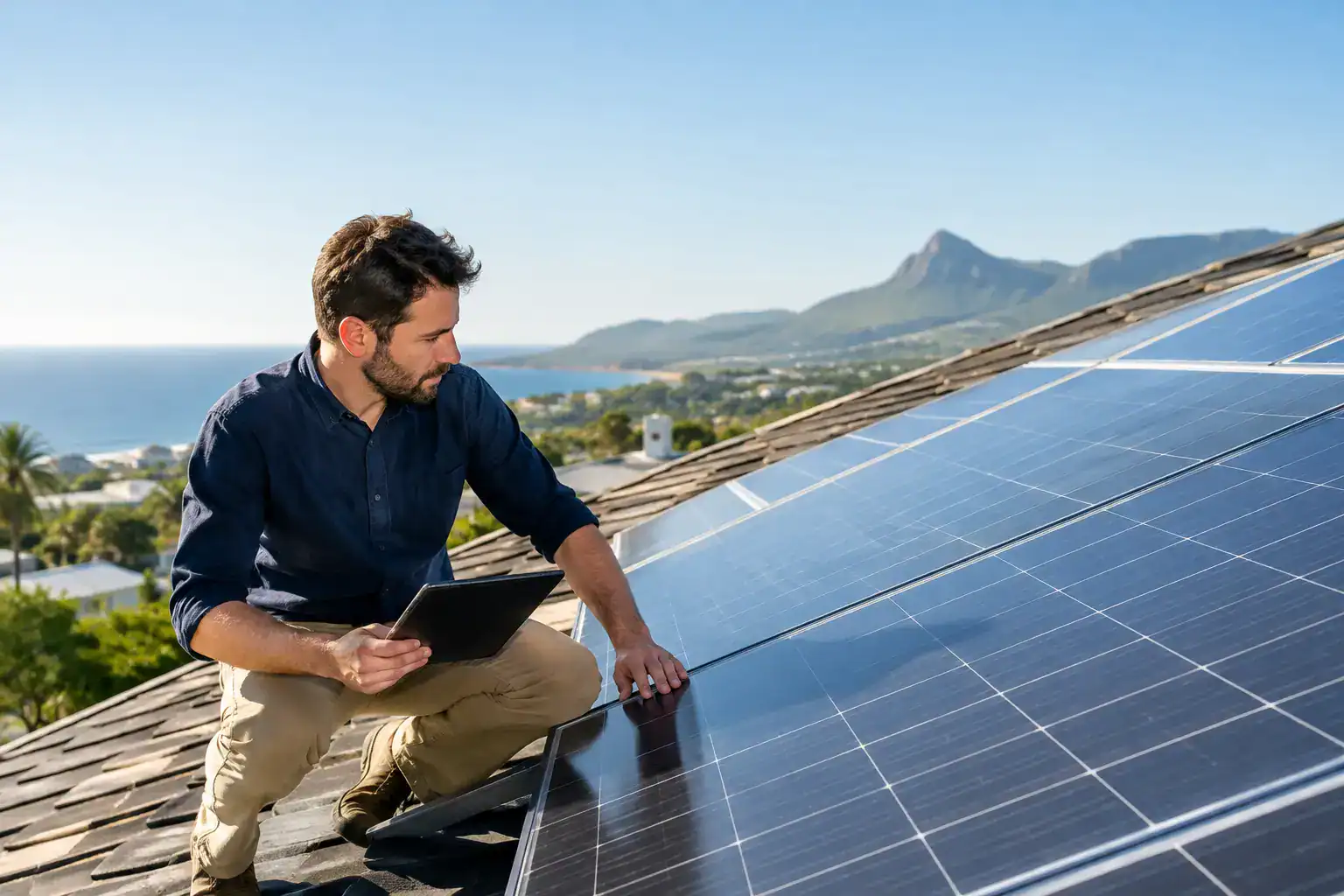
A worthwhile review looks at the complete Solar PV system: panels, inverter, mounting hardware, cabling, switchgear, monitoring and workmanship. These components need to work together in South Australia’s heat, wind and variable weather. The installer should also consider roof orientation, pitch, shading from trees or neighbouring buildings, roof access and the condition of the roof itself.
It is worth asking how the proposed design responds to your actual consumption. A household that uses most of its electricity in the evening has different priorities from one running air conditioning, appliances or business equipment through the day. A commercial site with steady daytime demand may benefit from a different array layout and inverter configuration again. There is no single best system for every property.
Solar panel review: start with your energy habits
Before assessing equipment, look at the pattern behind your bills. Gather a full year of electricity usage where possible, rather than relying on one high summer or winter bill. This gives your installer a clearer view of seasonal demand and helps avoid a system being designed around an incomplete picture.
Think about what may change in the next few years. If you are considering an EV charger, battery storage, a renovation, a new reverse-cycle air conditioner or replacing gas appliances with electric options, say so at the beginning. Planning ahead can help ensure the system is appropriately sized and configured for expansion, rather than requiring unnecessary alterations later.
Your goal is not simply to generate the most solar power. It is to generate power you can use well. Exporting surplus energy can still provide value, but households commonly achieve stronger bill savings when solar production aligns with daytime consumption, smart appliance scheduling and, where suitable, a battery.
Roof space, shade and orientation
North-facing panels are often effective in Australia, but a quality design should not dismiss east- and west-facing roof sections automatically. An east-west array may spread production more evenly across the day, which can suit families using electricity in the morning and late afternoon. The right layout depends on the roof and when the property consumes energy.
Shade deserves close attention. A small shadow across part of an array can affect production more than many people expect, particularly as the sun moves through the seasons. Trees can grow, new structures can be built and roof features can limit usable panel space. An on-site assessment should identify these factors early and explain any design choices clearly.
The inverter and battery decision
The inverter is the working link between your panels, your property and the grid. It converts solar electricity into usable power and plays a major role in monitoring, safety and future battery integration. A good solar panel review examines inverter suitability alongside the panels, rather than treating it as an afterthought.
If a battery is part of your plan, ask whether the system is designed for it from day one. Some households are ready to install battery storage immediately, while others prefer to begin with solar and add storage later. Both approaches can be sensible, provided the electrical design, inverter arrangement and switchboard capacity support the intended pathway.
Battery storage can help shift solar energy into the evening, reduce grid reliance and provide greater control over when you use your own generation. However, its value depends on your consumption profile, tariff structure, solar output and eligibility for available programs or incentives. It should be assessed as a household energy decision, not an impulse purchase.
For properties seeking backup capability, be specific about what you want supported during an outage. Running selected essential circuits is different from powering every appliance in the home. The right solution needs to be designed around realistic expectations, battery capacity and the property’s electrical configuration.
Check credentials, insurance and installation standards
Solar equipment is only as dependable as the installation behind it. This is where a review should become particularly practical. Ask who will design and install the system, whether the work is completed by properly licensed and accredited trades, and what level of insurance coverage supports the installation.
An established South Australian provider should understand local roof types, grid connection requirements, network processes and the realities of installing across metropolitan and regional locations. They should be prepared to inspect the site, explain the proposed system in plain language and answer questions without pressure or vague assurances.
Be wary of proposals that focus entirely on a large panel count while offering little detail on installation method, safety equipment, monitoring or after-sales support. A well-installed system is not just a collection of products. It is a long-term electrical asset attached to your home or business.
You should also understand what happens after commissioning. Clear monitoring allows you to see production and identify unusual performance changes. A responsive local team can help when you have questions about system operation, battery settings, app access or future upgrades.
Rebates and programs can change the equation
South Australians may be able to access support that improves the value of eligible solar and battery projects. Requirements, availability and program settings can change, so it is sensible to confirm current eligibility before making a decision. The right provider should explain the process clearly and help you understand the documentation required.
Rebates should support a sound system decision, not dictate it. A system that is poorly suited to your home will not become the right choice simply because an incentive is available. Consider the equipment, design, expected use and installer quality first, then apply any relevant support to an already sensible plan.
Virtual Power Plant participation may also be an option for some battery owners. These programs can offer another way to make use of stored energy, but the terms, control arrangements and suitability should be understood before enrolment. It depends on how much control you want over your battery and how the program fits your household priorities.
Questions that reveal the quality of a proposal
A professional proposal should make it easy to see what is included and why it has been recommended. You do not need to become a solar technician, but you should receive direct answers about expected generation, panel placement, inverter selection, warranties, monitoring and any assumptions made about your electricity use.
Ask how the installer has accounted for shade and future energy needs. Ask whether your switchboard needs work, how the system will be connected, and whether the design can accommodate a battery or EV charger later. If backup power matters, ask exactly which circuits would be covered and under what conditions.
Finally, look for proof that the provider stands behind its work. Customer feedback, local experience, accredited trades and a clear process are stronger indicators than flashy promises. Allstate Solar approaches every installation as a complete energy solution, with system design and qualified workmanship aligned to the property rather than a one-size-fits-all package.
Your roof has one opportunity to be designed properly before panels go on it. Take the time to review the complete system, not just the panel label, and choose a South Australian team that can explain the details with confidence. When you are ready to turn your energy goals into a practical design, enquire with a qualified local installer and make the decision with clarity.
No Comments