


25 Sep Single Phase vs Three Phase Solar for SA Homes
A solar quote can look excellent on paper, but the system has to suit the electricity supply already connected to your property. That is why single phase vs three phase solar is one of the first checks worth making before choosing panel capacity, inverter size or battery storage. For South Australian homes and businesses, getting this detail right can affect how much solar you use, how much you can export and how easily the system can grow later.
What is the difference between single phase and three phase power?
Single phase power is the standard supply for many suburban homes. It delivers electricity through one active phase and is usually well suited to everyday household loads, including lighting, appliances, air conditioning and standard electric hot water.
Three phase power has three active phases. It is common in larger homes, rural properties, workshops and commercial premises where there may be greater electrical demand. A three phase supply can distribute high-load equipment across the phases, reducing the pressure placed on any one part of the electrical system.
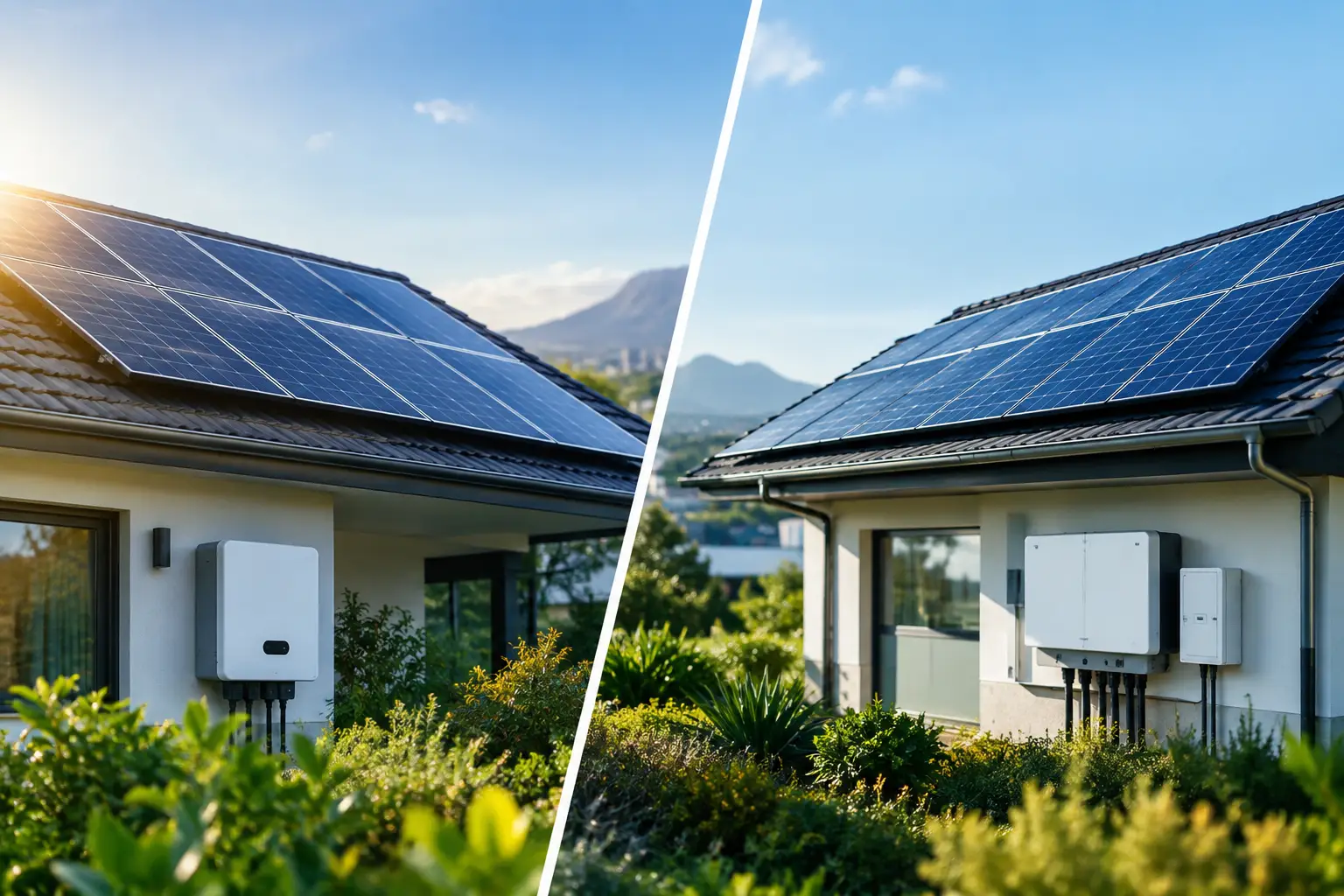
The distinction matters because your solar inverter must be compatible with the supply type. A single phase solar inverter connects to one phase. A three phase inverter is designed to distribute solar generation across all three phases. The solar panels themselves are not inherently single or three phase – the key difference is the inverter, wiring design, switchboard arrangement and connection approval.
Single phase vs three phase solar: what changes?
The right answer is not automatically three phase. It depends on the property, daytime consumption, existing electrical infrastructure and future plans such as a home battery, EV charger or additional air conditioning.
Inverter capacity and export limits
Network rules determine the inverter capacity and export allowance available at each address. A single phase connection can have practical limits on the size of inverter that can be installed and the amount of electricity allowed to flow back to the grid. These conditions can vary by location and are confirmed during the connection process.
With three phase power, a suitably designed system may provide more flexibility for larger installations. That can be particularly useful for a business with significant daytime energy use, a property running larger machinery, or a household looking to support several major electric loads.
However, a larger system does not automatically deliver better value. If daytime demand is modest and most solar electricity is sent to the grid, the financial result may be weaker than a system sized around your actual consumption. The strongest solar design starts with the way you use power, not simply the biggest number of panels that can fit on the roof.
How solar supports your loads
On a single phase home, the solar system generally offsets electricity being used on that same phase. This is straightforward for most households because their major circuits are supplied through one phase.
At a three phase property, loads are spread across phases. A three phase inverter can better match that arrangement by supplying solar across the property’s electrical system. This is valuable where equipment such as larger ducted air conditioning, pumps, workshop tools or commercial refrigeration is distributed across different phases.
A single phase inverter can sometimes be installed on a three phase property, but it is not always the most effective design. If the property has substantial consumption on other phases, solar production on one phase may not offset those loads as efficiently at a given moment. A site assessment should establish where the energy is being used before a recommendation is made.
Battery storage and backup power
A battery changes the conversation from producing solar to controlling when you use it. It can store excess daytime generation for the evening, reduce grid purchases and, with the right equipment and design, provide backup capability during an outage.
For single phase homes, battery integration is generally more direct because there is only one phase to consider. At three phase properties, the battery and backup design needs more careful planning. Some systems may back up selected essential circuits, while others can be configured to support a broader range of loads. The outcome depends on the battery model, inverter arrangement, switchboard layout and the circuits you want available when the grid is down.
Do not assume that every battery will keep every appliance operating during a blackout. High-demand equipment may need to be managed, and backup is usually designed around practical priorities such as lighting, refrigeration, communications, selected power points and essential pumps. For regional properties, that planning can be especially important.
EV chargers and future upgrades
If an electric vehicle is part of your plans, the supply type can influence charging options. Three phase power can support higher-capacity charging equipment where the vehicle, charger and site electrical capacity allow it. A single phase EV charger can still be an excellent fit for many households, particularly where the vehicle is parked for long periods or charging is scheduled around solar production.
The important point is to plan ahead. Adding a battery, EV charger, pool equipment or a larger reverse-cycle system later can change the demands on your switchboard and supply. A properly designed solar installation considers those future loads from the beginning, rather than forcing expensive changes after the system is installed.
When single phase solar is the right choice
Single phase solar remains the right solution for a large number of South Australian homes. It can deliver meaningful bill savings when it is correctly sized to household daytime use and built with quality components.
It is often a strong option for owner-occupiers who use power through the day, run efficient appliances, work from home, or want to add battery storage to shift solar into the evening. The focus should be on a reliable installation, sensible inverter sizing and a design that works within the site’s approved connection conditions.
There is no need to upgrade to three phase power simply because you are installing solar. A supply upgrade may be worthwhile for some properties, but it should be driven by genuine electrical demand and long-term plans, not treated as a default requirement.
When three phase solar makes more sense
Three phase solar can be an advantage where the property already has a three phase supply and meaningful loads are operating across all phases. This is often the case for larger residences, agricultural properties, sheds with serious equipment and commercial sites.
For businesses, the benefit is often less about exporting more electricity and more about reducing the cost of power used during operating hours. A well-matched system can offset a portion of the electricity used by refrigeration, machinery, pumps, office equipment and climate control while the sun is producing.
Three phase solar is also worth considering when future expansion is likely. If you expect to add more electrical equipment, EV charging or battery storage, the right design now can provide a stronger platform for those upgrades. That said, network requirements, building electrical capacity and consumption patterns still need to be assessed individually.
What needs checking before installation?
A quality solar proposal should be based on more than roof space. Your installer should confirm the existing supply type, inspect the switchboard, review your electricity usage and identify major daytime and evening loads. They should also account for roof orientation, shading, meter requirements and the local distributor’s connection conditions.
For three phase sites, it is particularly important to understand how the load is balanced between phases. For battery-ready systems, the team should discuss whether you want savings only, selected-circuit backup or a more comprehensive outage plan. These choices affect equipment selection and the electrical work required.
This is where experience matters. The cheapest quote can overlook switchboard upgrades, connection requirements or limitations that become obvious only on installation day. A fully licensed and accredited team should explain what the system can realistically achieve before work begins.
Choose a system around your property, not a generic package
The best solar system is the one that suits your electricity supply and the way you live or operate. Single phase can be highly effective for a typical home. Three phase can offer valuable flexibility for larger or higher-demand properties. Neither is automatically better without understanding the site.
Allstate Solar designs solar, battery and EV charging solutions around real South Australian properties, with licensed installation and practical advice on rebates, connection requirements and future expansion. Contact us today to discuss your supply type and build a system that works hard for your home, farm or business.
No Comments