



14 Jun Hybrid Solar System Adelaide Homeowners Trust
When the grid goes down on a hot Adelaide afternoon, standard solar often stops with it. That catches a lot of homeowners off guard. A hybrid solar system Adelaide households can depend on is built for a different result – lower power bills day to day, plus stored energy when conditions change.
For South Australian homes and regional properties, that matters. Power prices are a constant pressure, summer demand puts the network under strain, and more families want greater control over how and when they use electricity. A hybrid setup gives you that control by combining solar panels, battery storage and smart energy management in one integrated system.
What a hybrid solar system in Adelaide actually does
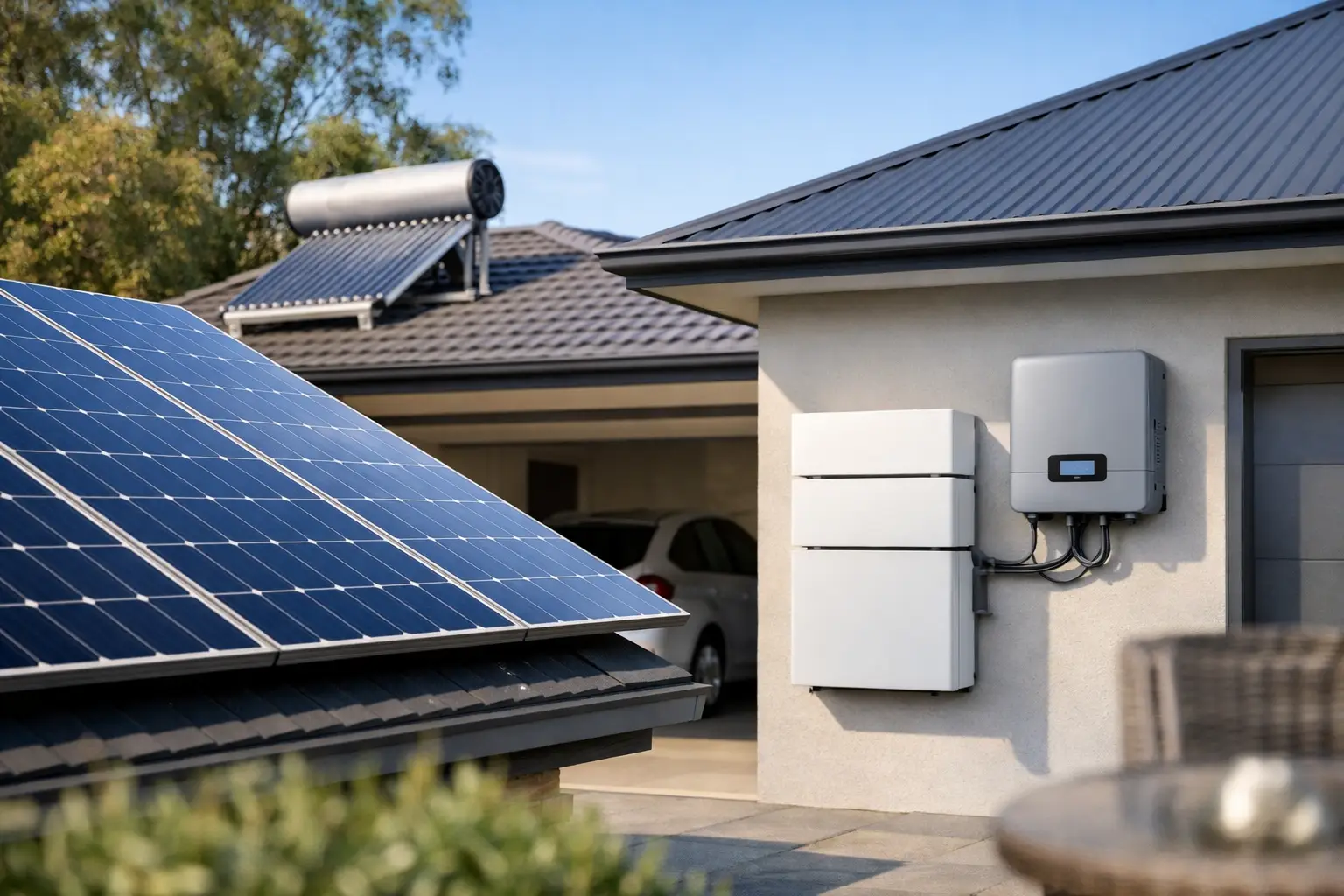
A hybrid system is not just solar with a battery added as an afterthought. It is designed so your panels generate power during the day, your home uses that energy first, and any excess can charge a battery for later use. When the sun drops or grid electricity becomes less attractive, the battery can step in to power key loads or support broader household demand.
That flexibility is the real advantage. In Adelaide, where feed-in returns and grid costs do not always line up in your favour, storing your own energy can make more sense than exporting large amounts of it. Instead of sending valuable solar generation away during the middle of the day and buying it back at a higher rate in the evening, you keep more of that value on site.
For some properties, especially in regional South Australia, a hybrid system also offers a stronger level of energy resilience. It is not the same as a full off-grid setup, but it can provide backup capability and a more stable energy strategy for homes that experience outages or want extra peace of mind.
Why hybrid solar system Adelaide demand keeps growing
Adelaide homeowners are not looking for gimmicks. They want results they can see on their bills and confidence that the system will perform properly over time. That is why hybrid demand continues to rise.
The first driver is simple – electricity costs. Families are using more power across longer hours, whether that is air conditioning, pool equipment, home offices, electric hot water or EV charging. Solar alone helps, but battery storage extends those savings into the evening when many households actually need the most power.
The second driver is energy independence. Many customers want less exposure to retailer pricing changes and less frustration around peak usage periods. A hybrid system gives you more say over when your home draws from solar, battery or grid power.
The third is changing technology confidence. Battery systems from recognised brands are now a serious consideration for mainstream households, not just early adopters. When matched with quality inverters, correct design and licensed installation, hybrid solar is a practical home upgrade rather than an experimental one.
Is a hybrid system right for your property?
It depends on how your property uses energy. A hybrid system often suits households that use significant electricity in the late afternoon and evening, homes with high cooling demand, families planning for an EV, and regional properties where outage protection matters more than it might in metro areas.
It can also be a strong fit for commercial operators who want to reduce daytime operating costs and improve energy management after trading hours. The best outcome comes from matching system size, battery capacity and load behaviour, not from choosing the biggest setup available.
That is where proper consultation matters. A good hybrid design starts with your usage patterns, switchboard configuration, roof layout and future plans. If you expect to add an EV charger, run more air conditioning or increase occupancy, those factors should be part of the recommendation from the start.
The trade-offs worth understanding
Hybrid solar is a smart option, but it is not a one-size-fits-all answer. Some homes with low evening use may still get strong value from solar PV alone. Others may be ideal candidates for battery storage because they consume a lot of power outside solar production hours.
Backup capability is another area where details matter. Not every hybrid system powers the whole house during an outage. Some are configured to support essential circuits only, such as refrigeration, lighting, internet and selected power points. For many families, that is more than enough. For others, especially on larger properties, a broader backup design may be worth considering.
Battery sizing also needs care. Too small, and the stored energy is used up quickly. Too large, and the system may not cycle efficiently based on your daily generation and consumption. The right answer is rarely the most aggressive option. It is the one that fits your household reliably and sensibly.
Why installation quality matters more than promises
A hybrid system is only as good as the team designing and installing it. This is not a product you want handled by underqualified trades or a sales process that skips over the hard questions.
Hybrid installations involve solar generation, battery integration, inverter compatibility, monitoring configuration and often more complex switchboard work than standard solar alone. The system has to be installed safely, configured correctly and tested properly so it performs as intended from day one.
That is why South Australian customers tend to favour established local installers with accredited teams, proper insurance and a clear service process. When a company understands local conditions, rebate pathways and SA network requirements, you are far less likely to run into avoidable issues later.
At Allstate Solar, that service-led approach is central to the way projects are delivered. Customers want reassurance that the advice is grounded in real installation experience, not generic sales talk. They also want to know the job will be completed by qualified professionals who stand behind the work.
Batteries, brands and smart system design
Not all battery solutions are equal, and not every home needs the same brand or configuration. Recognised systems such as Tesla Powerwall and BYD batteries are popular for good reason – they offer proven performance, strong manufacturer backing and smart monitoring features that make day-to-day energy management easier to understand.
The battery is only part of the picture, though. Panel quality, inverter selection, system layout and backup design all affect how well your hybrid system performs. A premium battery paired with poor design will not deliver the result most customers expect.
That is why tailored system design matters so much. The right installer will look at your roof orientation, shade profile, household demand and future electrification plans before recommending a package. They should also explain the practical difference between lowering bills, increasing self-consumption and maintaining backup power, because those outcomes are related but not identical.
Rebate support can change the decision
For many South Australians, available incentives are part of the timing. Government-backed battery and solar programs can improve accessibility and help more households move forward with a system they may otherwise postpone.
The key is getting clear guidance on eligibility and application requirements. Rebate support should not feel like another full-time job. Customers value an installer who understands the process, keeps the paperwork moving and aligns the recommended system with the relevant scheme criteria where applicable.
If you have been weighing up battery storage but have not acted yet, this is often the point where a consultation pays off. You can assess your usage, understand your options and see whether current rebate pathways make a hybrid upgrade more worthwhile for your home or business. Apply For The Battery Rebate Scheme if you are ready to see what support may be available.
What Adelaide customers should expect from the process
A proper hybrid solar consultation should feel straightforward, not rushed. You should expect questions about your current electricity usage, future energy plans, roof suitability and whether backup power is a priority. You should also expect honest advice if a different setup would suit you better.
Good providers do not oversell battery storage to every household. They explain where hybrid solar delivers strong value and where the return depends heavily on lifestyle, load shifting and system sizing. That level of transparency builds confidence because it shows the recommendation is based on your property, not a script.
Once the design is confirmed, the installation process should be handled end to end by licensed, accredited professionals. That includes system layout, electrical works, battery integration, testing and handover, with clear guidance on monitoring and everyday use. Enquire Now if you want a system that is designed properly from the beginning.
A hybrid system is not just about adding equipment to your roof or garage. It is about putting your home or business in a stronger position for the years ahead – with lower reliance on expensive grid power, smarter use of your solar generation and a setup built by a local team that knows South Australia.
No Comments