



27 Sep How Off Grid Solar Works for SA Properties
A regional home with no nearby power lines, a shed used well beyond daylight hours, or a property where outages are more than a minor inconvenience – these are the situations where energy independence becomes practical, not just appealing. Understanding how off grid solar works helps you assess whether a standalone system can reliably support your household, business or remote property in South Australia.
An off-grid system makes, stores and manages its own electricity. Rather than drawing power from the electricity network when the sun goes down, it uses a correctly sized battery bank and carefully coordinated equipment to keep essential and everyday loads running. The result can be dependable power without an ongoing grid connection, but it must be designed around the way you actually use energy.
How Off Grid Solar Works Day and Night
During daylight hours, solar panels produce direct current electricity from sunlight. That electricity first supplies the appliances and equipment operating at the time. Any surplus is directed to charge the battery storage system.
An inverter converts the solar and battery electricity into the 230-volt alternating current used by standard Australian appliances. It also manages where power comes from at any given moment. On a bright day, your home may run directly from solar while batteries recharge. At night, in poor weather or when demand exceeds solar production, the inverter draws stored energy from the batteries.
A true off-grid solar system is not connected to the mains electricity network. That means it cannot rely on grid power as a fallback. Many systems include a backup generator connection for extended cloudy periods, unusually high energy use or maintenance contingencies. This is not a sign that solar has failed. It is a sensible resilience measure for properties that need power available year-round.
The key difference is control. A well-designed system monitors battery levels, solar production and demand constantly, prioritising available solar energy and protecting the batteries from being discharged too deeply.
The Core Parts of an Off-Grid System
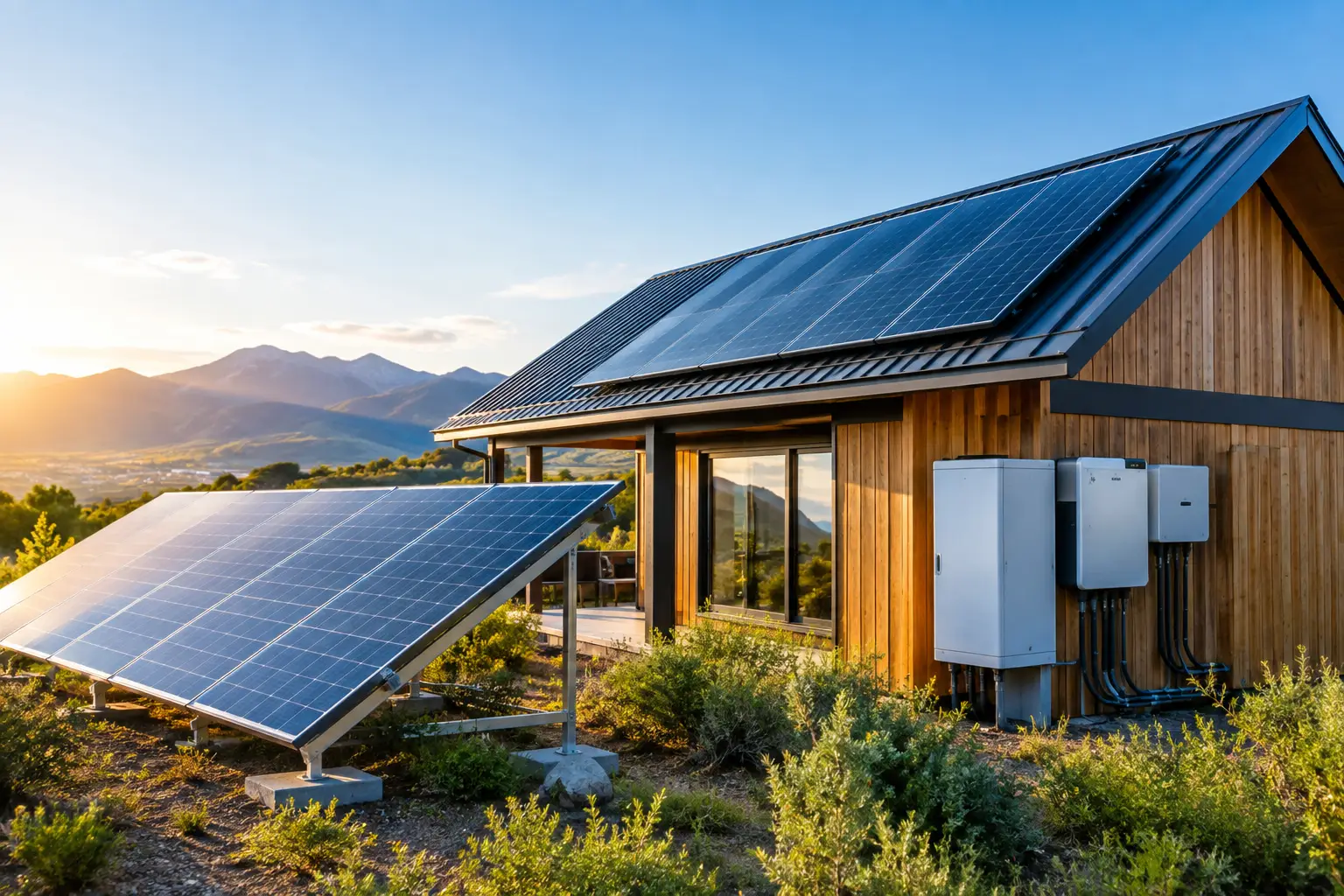
Panels, batteries and an inverter are the visible foundation, but dependable off-grid power is a complete system rather than a collection of individual products.
Solar panels
The solar array needs enough capacity to cover typical daily electricity use while also replenishing the batteries after overnight consumption. In South Australia, panel output varies by season, orientation, shading and weather. Summer production can be excellent, while winter design conditions are often what determine whether a system remains reliable all year.
Panels should be installed where they receive clear sunlight for the largest possible part of the day. Even partial shading from trees, roof vents or nearby structures can materially reduce production, so site assessment matters.
Battery storage
Battery storage carries the property through the hours when panels are not producing enough energy. Its usable capacity determines how long you can operate through the night and through low-sun periods.
Battery selection is not simply about choosing the largest unit available. The right capacity depends on daily consumption, the loads you want to run, the desired level of backup and how many days of autonomy the property requires. A family home with refrigeration, pumps, air conditioning and electric cooking has very different requirements to a weekend retreat with modest lighting and water use.
Premium battery solutions can provide sophisticated monitoring and strong performance, but the system design remains just as important as the brand. Batteries need to be matched with suitable solar generation, inverter capacity and protection equipment.
Inverter and energy management
The inverter is the system’s control centre. It converts stored DC power into usable AC power, manages charging and discharging, and responds when large appliances start up.
Inverter capacity is particularly important for motors and high-demand equipment. Bore pumps, workshop tools, air conditioners and refrigeration can draw a substantial surge when starting. A system may have enough stored energy overall but still struggle if the inverter cannot handle those peak loads.
Monitoring equipment gives owners a clear view of solar production, battery state of charge and household consumption. This information is useful from day one: it shows when the property is using the most power and helps identify opportunities to shift non-essential loads into sunny periods.
Backup generation and protection
For many remote properties, a generator is integrated as a controlled backup source. The system can start it automatically or allow it to be connected when battery levels fall after prolonged low solar production. It can then supply power and recharge batteries efficiently.
Electrical protection, compliant switchboards, isolators and quality installation work are equally essential. Off-grid systems handle significant amounts of energy and must be installed by properly licensed, accredited professionals. Reliability starts with design and workmanship, not with a shortcut on equipment or installation.
System Size Depends on Your Real Energy Use
The most common off-grid mistake is designing around assumptions rather than measured consumption. A property may seem modest until pumps, refrigeration, hot water, cooking, pool equipment, heating, cooling and workshop tools are considered together.
A professional assessment looks at how much electricity you use each day, when you use it, and which appliances create the biggest peaks. It also considers the property’s location, available panel area, shading, seasonal occupancy and future plans. Adding an electric vehicle charger, building a second dwelling or expanding a business operation can change the required system substantially.
For off-grid living, energy efficiency is part of the solution. Efficient appliances, LED lighting, sensible heating and cooling settings, and scheduling heavy loads during the middle of the day reduce the size and cost pressure on the system. For example, running a bore pump, washing machine or workshop equipment while solar output is high leaves more stored energy for the evening.
It is also worth deciding what must continue during difficult weather. Some properties require every circuit to remain available. Others are better served by prioritising critical loads such as refrigeration, water pumping, communications, lighting and selected power outlets. There is no single right answer – it depends on how the property is used and the resilience you expect.
Off-Grid Solar Versus Hybrid Solar
Off-grid and hybrid solar systems both use solar panels and battery storage, but they serve different situations.
A hybrid system remains connected to the electricity network. It uses solar power first, stores excess energy in a battery and can draw from the grid when required. Depending on the system configuration, it may also provide backup power to selected circuits during an outage.
An off-grid system has no grid safety net. It needs enough panel capacity, battery storage and backup planning to cover the property independently. For homes with reliable mains access, hybrid solar may be the more practical way to lower bills and gain outage protection. For rural blocks, remote homes and sites where connecting to the network is impractical, off-grid can be the right long-term answer.
The decision should be based on site conditions, energy goals and reliability requirements rather than a one-size-fits-all package.
What Daily Life Looks Like on Off-Grid Power
A modern off-grid system can support a comfortable home, but it rewards awareness. On clear days, there is usually abundant solar energy for high-use activities. At night, stored power becomes more valuable. Monitoring helps householders make informed decisions rather than guesswork.
This does not mean living without ordinary conveniences. It means matching expectations to the system’s design. A system designed for a full-time household can accommodate much more than one built for a seasonal shack. The important point is to be upfront about air conditioning, electric heating, cooking, machinery, pumps and other major loads before design begins.
Weather also matters. South Australia has strong solar resources, yet several overcast days in winter can occur. A quality design allows for realistic seasonal conditions and includes a clear plan for backup power where required. Oversizing blindly is not always the best answer, but underestimating winter demand is a costly way to learn.
Choosing an Installer for an Off-Grid System
An off-grid installation should begin with a detailed consultation, not a generic quote. Ask how the proposed system accounts for winter production, battery autonomy, large appliance surge loads, generator integration and future expansion. You should also understand what monitoring is included and who will support the system after commissioning.
For South Australian property owners, local experience matters. Conditions in the Adelaide Hills, Fleurieu Peninsula, Riverland and more remote areas can vary widely in access, weather exposure and energy needs. Allstate Solar designs and installs solar and battery solutions with licensed, accredited trades, helping customers choose a system based on real site requirements rather than assumptions.
The best next step is to gather recent power data where available, list the appliances and equipment you need to run, and consider how the property may change over the next few years. With those details in hand, a properly designed off-grid solar system can turn a remote location into a capable, comfortable and confidently powered place to live or work. Contact a qualified local team to discuss what reliable independence would look like for your property.
No Comments