



27 Jul How Commercial Solar Systems Work for SA Businesses
For many South Australian businesses, electricity is no longer just another bill to pay at the end of the month. It is a controllable operating cost. Understanding how commercial solar systems work helps business owners see where the savings come from, what a system can realistically achieve, and why the right design matters as much as the panels on the roof.
A commercial solar system produces electricity where it is used: at your workshop, office, warehouse, school, retail site, farm or other business premises. When the system is properly matched to your daytime energy use, it can reduce the amount of power you need to buy from the grid while giving your business greater visibility over its energy consumption.
How commercial solar systems work
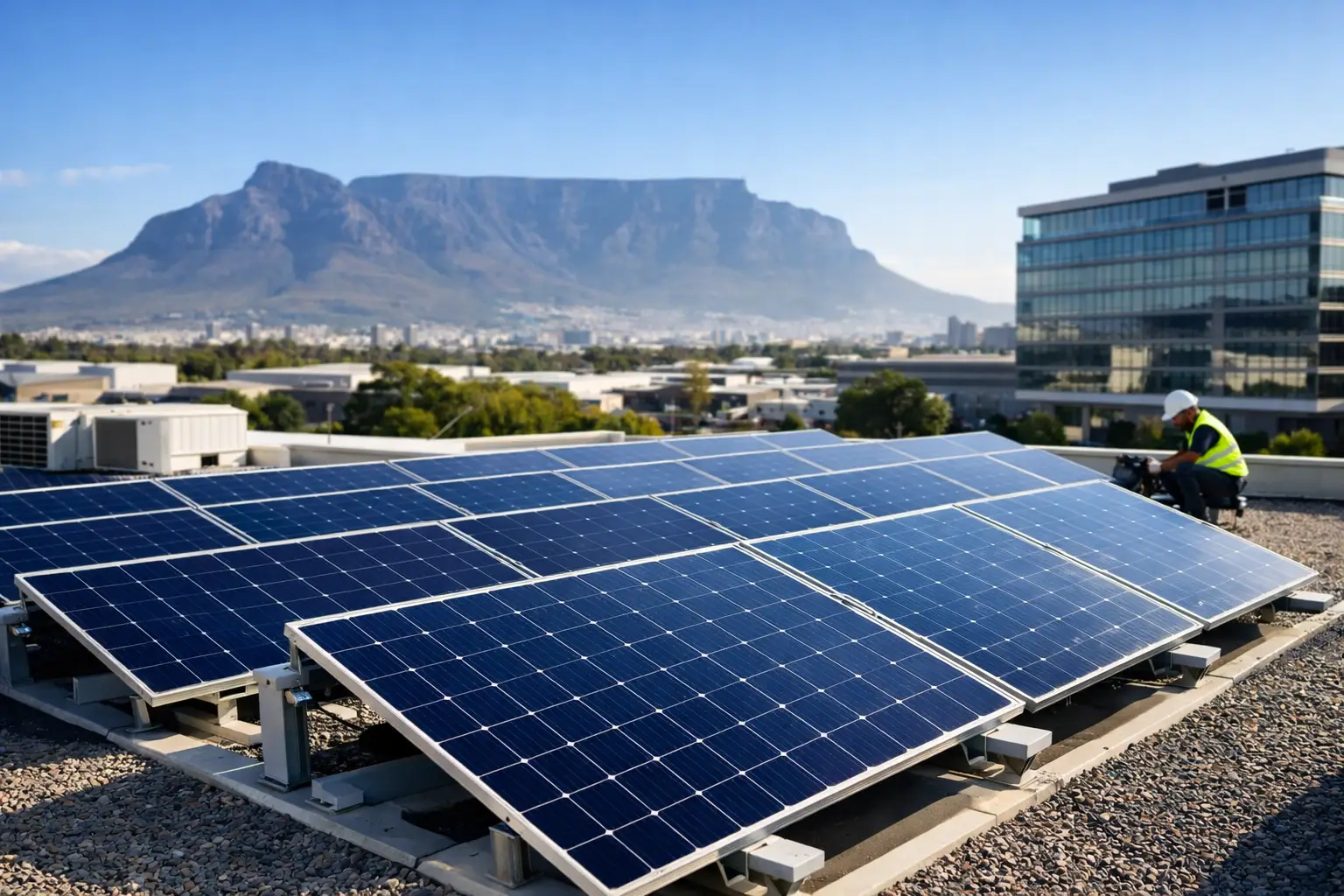
Commercial solar starts with solar panels, usually installed across a suitable roof area or, where appropriate, on a ground-mounted structure. The panels capture sunlight and convert it into direct current electricity, known as DC power.
Your business does not run on DC power, so that electricity then travels to a commercial inverter. The inverter converts DC electricity into alternating current, or AC power, which is the type used by your lighting, refrigeration, machinery, computers, air conditioning and other site loads.
From there, the solar energy feeds into your switchboard and is used first by equipment operating on-site. This is the key point for commercial savings. Every unit of solar energy used directly by your business is a unit you do not need to purchase from your electricity retailer at the usual grid rate.
If the solar system is producing more electricity than the building needs at that moment, the excess can be exported to the grid, stored in a battery if one is installed, or managed through the site’s energy controls. A smart meter records electricity imported from and exported to the grid.
Solar generation follows the sun, not your roster
A solar system generates most power during the middle of the day, although output begins in the morning and tapers off in the afternoon. Production changes with the season, weather, panel orientation, shading and temperature.
That is why a business with strong daytime demand is often well suited to commercial solar. A warehouse with daytime operations, a medical practice, a manufacturing site, a retail business or a regional property running pumps and equipment during daylight hours may be able to use a high proportion of the energy it generates.
Businesses that operate mainly at night can still benefit, but the system design needs more thought. Battery storage, load shifting and a detailed review of interval data may be more valuable in these cases than simply installing the largest possible solar array.
The major parts of a commercial solar system
The panels are the most visible part of the installation, but they are only one part of a complete commercial solution. System performance and long-term reliability rely on every component being selected and installed correctly.
Solar panels and mounting equipment
Panels are mounted securely to the roof structure using purpose-designed racking. Before installation, the roof condition, available area, orientation, access and shading all need to be assessed. On larger sites, panel layout must also account for setbacks, maintenance access and the location of existing plant such as air conditioning equipment.
North-facing panels typically deliver strong annual production in South Australia, but east and west-facing arrays can be very effective for businesses with morning and afternoon demand. A mix of orientations can spread generation over more of the working day rather than concentrating it around midday.
Commercial inverters
Inverters do more than change DC power into AC power. They manage how the solar system operates alongside the grid and protect the system by responding to voltage and grid conditions.
Commercial projects may use one or several inverters depending on the array size, roof layout and site electrical configuration. The right inverter arrangement can make maintenance easier and allow different roof sections to perform independently where conditions vary.
Switchboards, protection and metering
Commercial solar must integrate safely with your existing electrical infrastructure. This can involve switchboard upgrades, circuit protection, isolators, monitoring equipment and meter changes.
Older buildings sometimes have switchboards that were not designed for solar generation. A site assessment identifies whether upgrades are required before installation. This work should never be treated as an afterthought. Safe, compliant integration protects your people, your equipment and the investment you are making in the system.
Monitoring software
A quality commercial system includes monitoring that shows how much solar energy is being generated and, depending on the setup, how much is being consumed, exported or stored.
Monitoring turns solar from a roof-top asset into useful business information. You can identify patterns, compare performance over time and spot opportunities to run suitable loads when solar production is high. For example, a business may schedule selected equipment, cooling or charging activity during solar hours where operations allow.
Where the financial benefit comes from
The strongest financial outcome usually comes from solar self-consumption. In plain terms, this means using your own solar electricity on-site instead of buying electricity from the grid.
Exporting surplus energy can still provide value, but export rates are often lower than the cost of purchasing electricity. For that reason, commercial solar should be designed around your real energy profile, not just the maximum number of panels that can fit on the roof.
A proper proposal considers your electricity bills, interval data where available, operating hours, future equipment plans and the site’s available electrical capacity. It should also account for practical issues such as roof condition, shading from nearby buildings or trees, and whether the business expects to expand.
The result is a system size that aims to make productive use of solar generation. Bigger is not automatically better. A very large array may produce substantial excess energy in the middle of the day, while a carefully sized system may deliver a better fit for the way your business actually operates.
The role of commercial battery storage
A battery stores solar energy that is not needed immediately. That stored electricity can then be used later, such as during the evening, early morning or periods of high grid demand.
For some businesses, battery storage can increase the amount of solar energy used on-site. It can also help manage demand patterns and support greater energy independence. The value depends on your tariff structure, the timing of your electricity use, how much solar surplus is available and the operating priorities of the site.
A battery is not essential for every commercial solar project. A business with high daytime consumption may gain excellent value from solar panels alone. Conversely, a site with evening usage, variable loads or a goal of reducing grid reliance may have a stronger case for a battery or hybrid solar system.
Battery rebate programs and eligibility requirements can change, so it pays to receive advice based on the current South Australian arrangements and your specific installation. Good guidance includes the system design, not just the incentive paperwork.
From site assessment to switch-on
Commercial solar installation is a planned electrical project, not a one-size-fits-all product. The process begins with understanding the site and its energy use.
An experienced installer reviews the roof or ground area, electrical infrastructure, safety requirements, shading and access. They assess your bills and consumption profile, then design a system around the business case rather than relying on generic assumptions.
Once the design is confirmed, the installation team mounts the panels, installs inverters and protection equipment, completes the electrical connection and commissions the system. Metering and grid connection requirements must be addressed before the system can operate as intended.
For business owners, the priority is minimal disruption. Good project planning considers site access, staff safety, work hours, customer areas and operational constraints. Fully licensed and accredited trades are essential, particularly where larger systems, complex switchboards or active commercial premises are involved.
What affects system performance over time
Solar panels have no moving parts, but commercial solar is not a fit-and-forget asset. Performance can be affected by new shading, accumulated dirt, damaged components, inverter alerts and changes to your business operations.
Monitoring helps identify unusual drops in output early. Periodic inspections can also be sensible for larger or regional sites, particularly where dust, bird activity, severe weather or difficult access may affect the array. Cleaning is not required on a fixed schedule for every system, but it may be worthwhile where soiling is visibly reducing production.
It is equally useful to revisit your energy use after installation. If your operations change, you may be able to shift discretionary loads into solar hours, add battery storage or plan a future system expansion. Solar works best when the business treats it as part of its energy strategy, not just a capital purchase.
Choosing a commercial solar partner in SA
The right system begins with clear advice. Look for an installer that can assess your site properly, explain the expected production and usage outcomes, and complete the work with qualified, insured and accredited trades.
Allstate Solar works with South Australian commercial clients to design and install solar solutions based on real site conditions and energy goals. From panels and inverters through to battery storage and monitoring, the focus should always be on a safe installation that delivers practical value for the way your business runs.
Your electricity usage already tells the story of where a commercial solar system can make a difference. A professional assessment can turn that data into a system designed to reduce grid reliance and support stronger long-term operating costs. Contact us today to discuss your commercial site and receive advice grounded in South Australian experience.
No Comments