



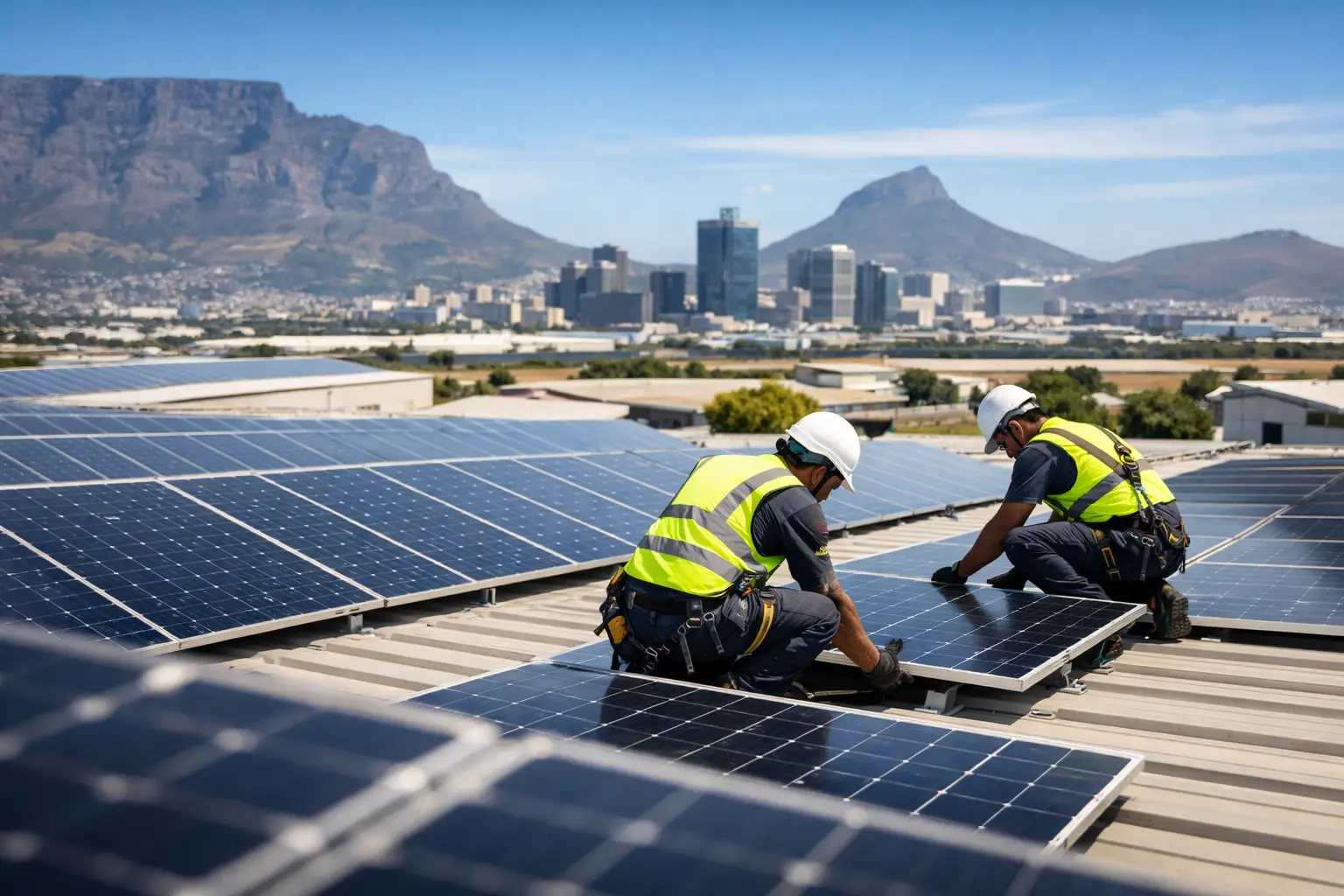
15 Jul Commercial Solar Installation for SA Businesses
For many South Australian businesses, the biggest energy costs arrive during the same hours the sun is working hardest. A well-planned commercial solar installation turns that overlap into a practical advantage, generating power on site while your business is operating. The result is not simply a lower bill. It is greater control over a major operating expense and a stronger foundation for long-term energy resilience.
The system that delivers the best outcome is rarely the one with the most panels. It is the one designed around your site, your daytime demand and the way your business plans to operate over the years ahead.
Why commercial solar installation is a business decision
Electricity is an unavoidable cost for offices, workshops, retail sites, warehouses, schools, farms and hospitality venues. When grid prices rise, that cost can quickly affect margins. Solar PV gives businesses the ability to produce a portion of their own electricity rather than purchasing every kilowatt-hour from the grid.
For a business with substantial daytime use, this can make a meaningful difference. Air conditioning, refrigeration, machinery, computers, lighting, pumps and EV charging can all draw power while a solar system is generating. The more solar energy used directly on site, the more value the system is likely to provide.
Commercial solar also supports more predictable budgeting. While no system can remove every energy cost, reducing reliance on grid electricity can help protect your business from future price movements. It can also demonstrate that your organisation is taking practical action to manage energy use, which matters to many customers, tenants and staff.
The right approach depends on your load profile. A café with refrigeration running from early morning has different needs from a warehouse with a high afternoon cooling load, or a regional property operating pumps and sheds. This is why an on-site assessment and a tailored design matter far more than a one-size-fits-all package.
Build a commercial solar installation around your energy use
The starting point for a quality commercial solar installation is understanding when and where your business uses electricity. Recent power bills provide a useful baseline, but they are only part of the picture. A capable installer should also consider operating hours, seasonal demand, planned equipment purchases and whether the business is likely to expand.
Look beyond the total power bill
Two businesses can have similar electricity bills and require very different systems. One may use most of its power during daylight hours, making solar PV a strong fit. The other may operate mainly overnight, where battery storage, tariff structure and energy efficiency improvements may carry more weight.
Demand patterns matter too. Large items such as cool rooms, compressors, production equipment and ducted air conditioning can create sharp periods of use. A system should be designed to offset useful daytime consumption without routinely producing far more electricity than the site can use or store.
Future changes deserve attention. If you expect to add a new production line, additional refrigeration, electric vehicles or another tenancy, planning for that demand now can avoid unnecessary redesign later. In some cases, allowing for future panel or battery expansion is a sensible option. In others, the best result is to install for current demand and reassess once usage has settled.
Assess the building, not just the roof size
A large roof does not automatically mean every square metre should be covered in panels. Roof orientation, shading, structural condition, access, switchboard capacity and available space for inverters all influence the final design.
Shading from nearby buildings, trees, roof plant or vents can reduce output from affected areas. The right layout may use different roof sections, equipment placement or panel arrangements to make the most of the available space. For regional and agricultural properties, cable runs between sheds, homes, pumps and work areas may also need careful planning.
Electrical infrastructure is equally important. Older switchboards or limited supply capacity may require upgrades or additional design work before the system can be connected safely. Addressing these details early prevents unwelcome surprises once installation is underway.
Solar batteries can extend the value of solar
Battery storage is not essential for every business, but it can be valuable when solar generation and electricity use do not line up neatly. A battery stores excess solar energy for use later, such as in the early morning, late afternoon or evening. It may also help reduce exposure to high-cost periods, depending on the site’s tariff and operating pattern.
A battery is worth considering where a business has consistent after-hours loads, wants more backup capability or is producing more solar energy than it can use during the day. It can also suit businesses looking to support EV charging with more self-generated energy.
However, batteries are not a universal answer. If your business consumes most of its solar generation during daylight hours, a solar PV system without storage may be the more appropriate first step. Battery sizing should be based on actual consumption data and business priorities, not a generic recommendation. Premium options such as Tesla Powerwall and BYD battery systems can be considered where they suit the application and site requirements.
Available government incentives and rebate programs can also affect the timing and scope of a project. Eligibility requirements can change, so it pays to seek clear, current advice before making a decision. A professional installer can help identify the relevant options and explain the paperwork required.
Choose an installer that can manage the full project
Commercial energy projects involve more than mounting panels and connecting cables. The work may include site inspection, system design, network approvals, engineering considerations, installation, commissioning and handover. If battery storage or EV chargers are included, the design needs to account for those components from the beginning.
The lowest quote can become expensive if it leaves out important work, uses unsuitable equipment or fails to account for the realities of your site. Ask how the system has been sized, what assumptions have been made about your energy use and whether future expansion has been considered. You should also know who will perform the installation and whether they are properly licensed and accredited.
For South Australian businesses, local experience matters. Conditions differ between metropolitan sites and regional properties, while network requirements, roof types and weather exposure can vary widely. Working with a local team that understands these factors helps keep the project practical from the first assessment through to final commissioning.
Allstate Solar provides end-to-end solar solutions for SA businesses, with fully licensed, accredited trades and a service-led approach built around the needs of each property. The aim is straightforward: specify a system that is safe, properly installed and designed to deliver meaningful value for the way your business uses energy.
What happens after the system is switched on
Once your commercial system is operating, monitoring helps you see how much energy it is generating and how your site is using it. This information can be useful for identifying opportunities to shift flexible loads into daylight hours. For example, some businesses can schedule equipment, cooling cycles or EV charging to make better use of solar production.
It is also sensible to maintain clear access to panels, inverters and electrical equipment. Regular visual checks can identify obvious issues such as debris, damage or new shading from tree growth. If performance appears to change unexpectedly, contact your installer rather than guessing at the cause.
A solar system works best when it is treated as part of a broader energy plan. Efficient appliances, sensible operating schedules and well-managed heating and cooling can all improve the amount of solar power your business uses on site.
Your business should not have to choose between controlling costs and maintaining reliable operations. Start with a proper assessment of your energy use, your site and your plans for growth. Contact Allstate Solar today to discuss a commercial solar solution built for your South Australian business.
No Comments