



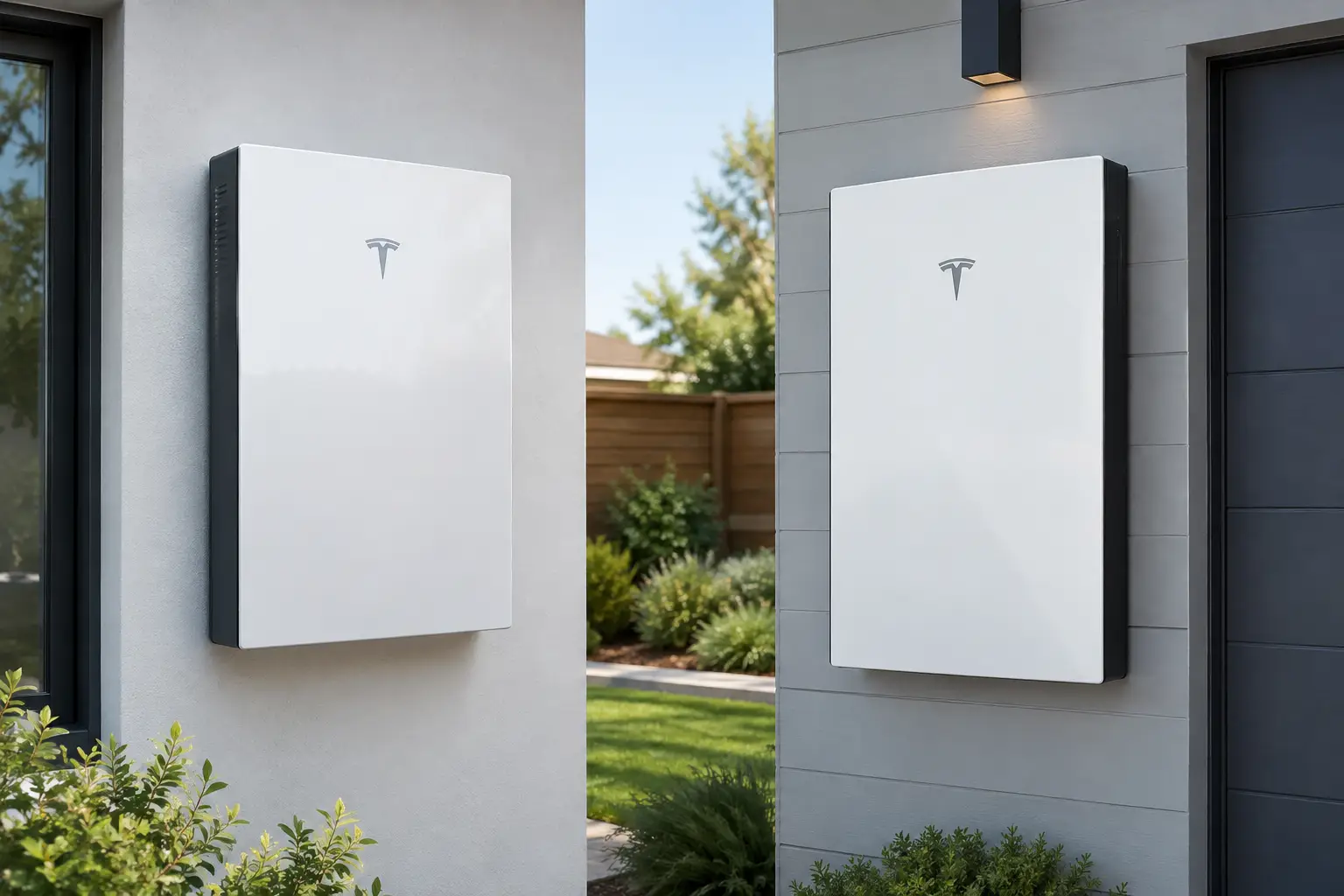
21 Oct Powerwall 3 vs Powerwall 2: Which Fits Your Home?
A battery should do more than look impressive on the wall. For South Australian households, it needs to store useful solar energy through the afternoon, support the loads that matter during an outage and help reduce reliance on expensive grid power after sunset. That is why the Powerwall 3 vs Powerwall 2 decision comes down to your home, your existing solar and what you expect from backup power.
Both Tesla batteries offer 13.5 kWh of usable energy storage and can be a strong fit for households looking to increase energy independence. The major difference is not simply capacity. Powerwall 3 delivers substantially higher power output and incorporates a solar inverter, while Powerwall 2 is an established battery designed to work alongside a separate solar inverter.
For a new solar and battery system, Powerwall 3 will often be the more capable option. For a home with an existing solar system, Powerwall 2 may still suit the site well, depending on the current inverter, switchboard, backup requirements and plans for future expansion.
Powerwall 3 vs Powerwall 2 at a glance
Powerwall 2 and Powerwall 3 each provide 13.5 kWh of usable battery capacity. In practical terms, that means either model can store surplus solar generation for use at night, in the early morning or when electricity rates are higher.
Where they differ is how quickly they can supply energy. Powerwall 2 delivers up to 5 kW of continuous power output. Powerwall 3 can deliver up to 11.5 kW of continuous power output, subject to site design and installation configuration. That higher output can make a meaningful difference in a larger household where several appliances may run at once.
Powerwall 3 also includes an integrated solar inverter. Rather than installing a standalone solar inverter and a separate battery system, the system can be designed with solar generation and battery storage working together through the one platform. This can make it particularly appealing for new installations or major solar upgrades.
Capacity is the same, but usable power changes the experience
Battery capacity tells you how much energy is stored. Battery power tells you how much of that energy can be delivered at one time. These are different measurements, and power is often where homeowners notice the difference.
A 13.5 kWh battery may have enough stored energy for an evening of essential household use. But if the home tries to run air conditioning, an electric oven, a kettle, a pool pump and other large loads at the same time, the battery must be able to supply that demand. Powerwall 3 has much more headroom for these high-demand moments than Powerwall 2.
That does not mean every household needs the higher output. A smaller home with modest energy use, carefully managed appliances and a focus on essential backup may be very well served by Powerwall 2. A larger family home, an all-electric property or a household planning to add an EV charger may benefit more from Powerwall 3’s stronger output capability.
Your usage pattern matters more than a single daily consumption figure. A proper assessment considers when energy is used, which appliances overlap, how much solar is generated and whether backup power is a priority.
Solar integration: the key difference for new systems
Powerwall 2 is typically paired with a separate solar inverter. This arrangement has been used successfully in thousands of Australian homes and remains a practical approach when retaining compatible existing solar equipment.
Powerwall 3 takes a different approach by integrating the solar inverter into the battery system. For a new solar installation, this can reduce the number of major components required and provide a more unified system design. It is especially relevant where the existing solar inverter is nearing the end of its useful life, undersized for planned solar expansion or simply not part of the new system plan.
Existing solar does not automatically rule out Powerwall 3. However, retrofitting a battery to an established system requires careful design. The age and model of the solar inverter, solar panel layout, available switchboard space, metering arrangements and local network requirements all need to be reviewed before recommending the right option.
This is why a site-specific consultation is worth more than a generic battery comparison chart. The best system is the one that works properly with your home from day one and remains fit for purpose as your energy needs change.
Backup power during South Australian outages
Backup power is one of the strongest reasons homeowners consider a battery. It can keep selected circuits operating when the grid goes down, helping protect comfort, food storage, lighting, communications and other essentials. The exact backup experience depends on the system design, the backup gateway configuration and the loads you choose to support.
Powerwall 3’s higher output can provide greater flexibility during an outage, particularly for homes with larger electrical loads. It may allow the battery to support more demanding appliances without the same level of load management required by a lower-output battery.
Still, bigger output does not mean unlimited backup. Long outages, overnight consumption, cloudy weather and high-demand appliances can drain any battery quickly. A sensible backup plan identifies the circuits that genuinely matter and avoids designing around unrealistic expectations.
For many households, essential loads include lighting, refrigeration, internet equipment, a few power points and selected appliances. Properties with medical equipment, pumps, home offices or regional supply concerns may need a more detailed backup design. If your goal is whole-home backup, that needs to be discussed early, as switchboard capacity, appliance demand and site configuration all influence what is achievable.
Which battery suits an existing solar home?
If you already have solar panels and a functioning inverter, Powerwall 2 can be a logical battery addition. It lets the solar inverter continue doing its job while the battery stores excess generation that would otherwise be exported to the grid.
This can be particularly suitable where the inverter is relatively new, appropriately sized and compatible with the battery design. It can also be a practical choice for households whose main objective is shifting solar energy into the evening rather than operating multiple high-draw appliances from the battery at once.
Powerwall 3 may be more attractive if you are replacing ageing solar equipment, expanding the solar array or building a new system around higher power demand. Its integrated inverter and stronger output create a compelling platform for homes moving towards greater electrification, including electric cooking, heating and electric vehicle charging.
Neither answer is automatic. An accredited installer should assess the current equipment, roof layout, solar production, household load profile and future plans before proposing a system.
Future planning matters as much as today’s bill
A battery is a long-term home energy investment, so it pays to plan beyond your current electricity bill. Think about whether you expect to buy an EV, replace gas appliances with electric alternatives, install a pool or add cooling for hotter South Australian summers. These changes can alter both your daily energy use and the power demand at any one time.
Powerwall 3 is generally the better fit where future household demand is expected to grow. Its higher output offers more flexibility as the home becomes increasingly electric. Powerwall 2 remains a proven option where the energy profile is stable and the existing solar system makes sense to retain.
Battery expansion should also be discussed at the design stage. Your installer can assess the space, electrical configuration and likely energy needs so the system is not boxed into a poor outcome later. A quality installation is not just about fitting equipment. It is about designing the right energy solution around the property.
Rebates, installation and getting the details right
South Australian battery incentives and program settings can change, and eligibility depends on the program, the equipment and the property. It is worth checking the available support before committing to a system, rather than relying on old information or assumptions from a neighbour’s installation.
Installation quality is equally important. A Tesla battery is only as dependable as the electrical design, protection equipment, switchboard work, commissioning and after-sales support behind it. Choose a fully licensed, accredited team that understands local network requirements and can explain exactly what your system will do during normal operation and during an outage.
Allstate Solar can assess your solar production, household consumption and backup priorities, then recommend a battery configuration built for your South Australian home. Contact our team to discuss whether Powerwall 2 or Powerwall 3 is the smarter next step for your energy goals.
No Comments