



09 Oct Home Batteries for Greater Energy Control
When your solar system is producing more electricity than your household can use, exporting it to the grid can feel like a missed opportunity. Home batteries give South Australian households another option: keep more of that solar power on-site and use it later, when the sun has gone down and household demand is often at its highest.
For many families, battery storage is not simply about chasing lower bills. It is about greater control over how and when energy is used. For regional properties, it can also support a more resilient setup where grid supply is less predictable. The right system depends on your energy use, existing solar, backup expectations and eligibility for current government programs.
What home batteries actually do
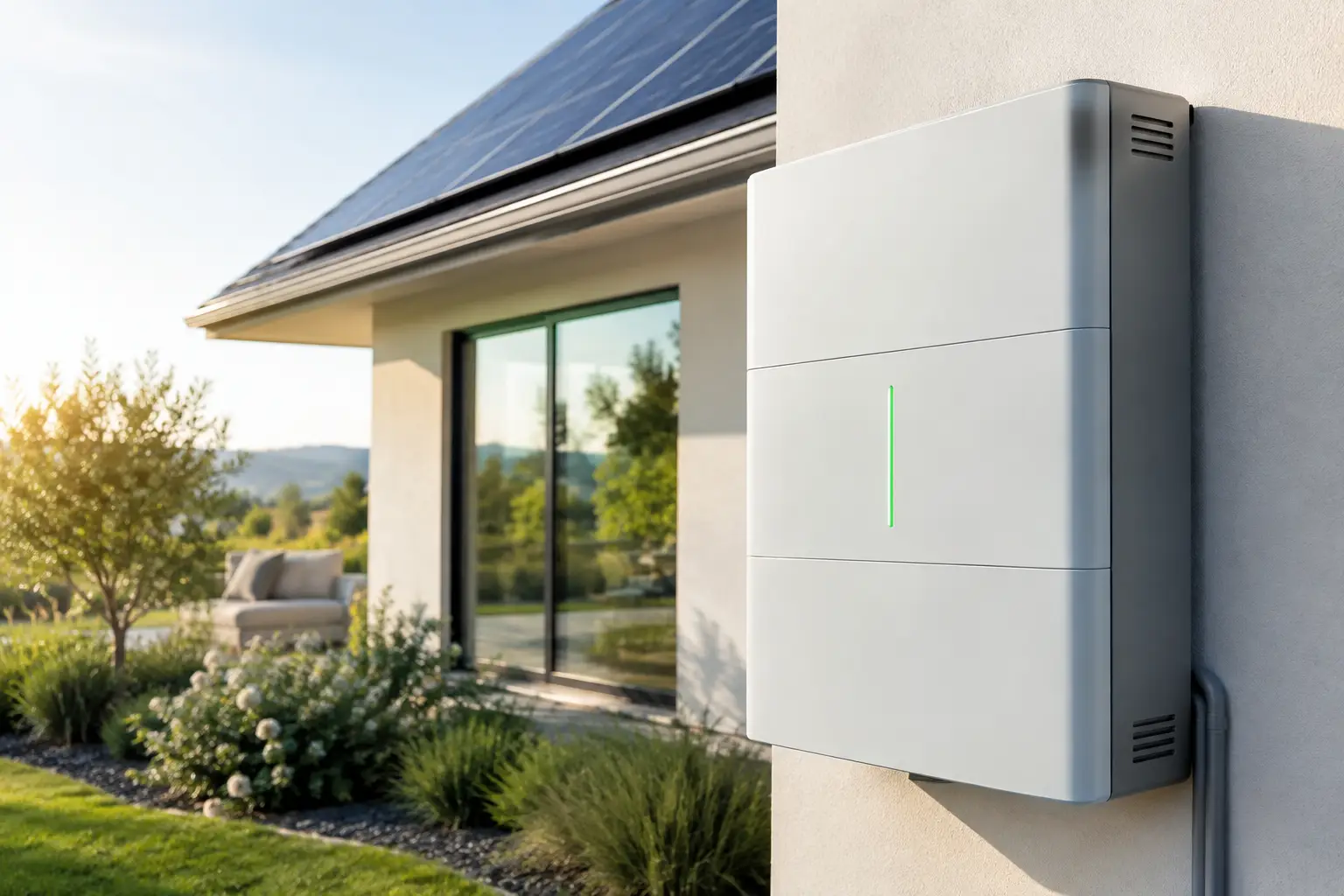
A solar battery stores surplus electricity generated by your solar panels during the day. Rather than sending all unused energy back to the grid, the battery holds it for your home to use later. That stored energy can help run evening lighting, appliances, heating and cooling, entertainment systems and other everyday loads.
This changes the role of your solar system. Solar panels still generate the energy, but a battery helps shift more of that generation into the hours when your household needs it most. Instead of buying as much electricity from the grid after sunset, you may be able to use power your system collected earlier in the day.
A battery does not mean you will never use the grid. Most connected homes will still draw from the grid when solar production is low and the battery has been depleted. The practical goal is to reduce avoidable grid purchases while maintaining a system that suits the way your household actually lives.
Why South Australian households are adding battery storage
South Australia has strong solar conditions, and many homes already produce substantial energy in the middle of the day. The challenge is that household consumption does not always match that generation. People are often at work or school while panels are producing at their peak, then return home as production falls.
Battery storage helps bridge that gap. It can make solar self-consumption more useful, particularly for households with significant evening use. Families who cook dinner, run air conditioning, charge devices, do washing or use pool equipment later in the day may see clear value in retaining more of their own solar generation.
Energy independence is another key consideration. Electricity costs and grid conditions can change over time, while a well-designed solar and battery system gives you more influence over your energy use. It is a long-term home improvement decision, not a one-size-fits-all purchase.
For some properties, backup power is equally important. A battery system with suitable backup capability may keep selected circuits operating during a grid outage. However, backup performance varies by system design. Some setups back up only essential loads, while others can support more of the home. This needs to be discussed before installation, particularly if you rely on medical equipment, have a home office, live in a regional area or want protection for refrigeration, communications and lighting.
Choosing the right battery size
The biggest battery is not automatically the best battery. A system should be sized around your household’s solar generation, daytime and evening energy use, tariff structure and goals for backup power. A battery that is too small may fill and empty quickly without covering enough evening demand. One that is oversized for your solar production or usage can take longer to deliver value.
The starting point is a clear picture of your consumption. Your electricity bills provide useful information, but they do not tell the whole story. Usage patterns matter. A couple working from home, for example, may use more power during solar hours than a household that is empty through the day. An electric vehicle, pool pump, ducted air conditioning or planned home upgrade can also change the equation.
It is also worth planning ahead. If you expect to add an EV charger, extend the home, install more solar panels or replace gas appliances with electric alternatives, tell your installer early. A battery and solar design should account for where the household is heading, not only where it is today.
Battery brands and system design matter
Recognised battery systems such as Tesla Powerwall and BYD offer different strengths, configurations and expansion options. The most suitable choice comes down to your site, energy needs, solar inverter compatibility and whether backup power or future expansion is a priority.
Product quality matters, but installation quality matters just as much. Battery storage involves electrical design, switchboard integration, safety requirements and careful commissioning. Work should be completed by fully licensed, accredited professionals who understand South Australian requirements and can configure the system properly from day one.
Battery rebates and support in South Australia
Government-backed programs can make battery storage more accessible for eligible households. Available rebates, finance arrangements and program conditions can change, so it is wise to get current advice before committing to a system.
Eligibility may depend on factors such as the property, system specifications, installation requirements and whether the battery is connected to an approved program. The paperwork can feel complicated, especially when solar, battery and Virtual Power Plant options are being considered together. An experienced local provider can help explain the available pathways and ensure the system is designed around the program requirements that apply at the time.
A rebate should support a sound decision, not drive the whole decision. The best result is a battery that remains useful after the application is approved because it suits your energy habits, your solar production and your plans for the property.
Is backup power worth prioritising?
Backup power is valuable, but it is not essential for every household. If your main goal is reducing evening grid use, a standard battery setup may be the right fit. If outage protection is important, then the system needs to be designed specifically for that purpose.
Ask what will stay powered during an outage and for how long. Essential circuits might include lights, the fridge, internet equipment, selected power points and a garage door. High-demand appliances such as large air conditioners, ovens and electric hot water systems may require more careful planning and may not be appropriate to run simultaneously on backup.
For regional homes, farms and properties with unreliable supply, the conversation can extend beyond backup circuits. Hybrid and off-grid solutions may be appropriate where energy resilience is central to the property’s operation. These systems require detailed load assessment and experienced design, because reliability depends on the complete setup, not the battery alone.
Virtual Power Plants and stored energy
Some battery owners choose to participate in a Virtual Power Plant, often called a VPP. These programs can allow participating batteries to support the wider electricity network at certain times, with incentives or other benefits depending on the program terms.
A VPP can be worthwhile for the right household, but it deserves a careful look. Consider how the arrangement affects your access to stored energy, the conditions around battery use and whether the program fits your priorities for savings, backup and control. There is no universal answer. A household focused on outage protection may make a different choice from one focused on maximising returns from its battery.
Getting the installation right the first time
A quality battery installation begins before equipment arrives at your home. It should include a site assessment, review of your existing solar system, switchboard checks and a discussion about your consumption goals. Good advice is specific. It explains what the battery can reasonably achieve, what backup will cover and where grid use will still be required.
At Allstate Solar, the focus is on matching proven solar and battery solutions to South Australian homes, regional properties and businesses. That means looking beyond a generic battery size and considering the complete energy system, including solar panels, EV charging needs, rebates and future expansion.
If you are considering battery storage, bring a recent electricity bill and a clear list of the appliances or circuits you would want supported during an outage. That simple preparation makes it far easier to design a system that delivers practical value. Contact a qualified local team to discuss your home, apply for eligible battery support and make your solar power work harder after sunset.
No Comments