



13 Sep Is a Battery Ready Solar Setup Worth It?
A large summer power bill often raises the same question for South Australian households: should you install a battery now, or make sure your solar system can take one later? A battery ready solar setup gives you a practical middle ground. You can start reducing daytime energy costs with solar panels while keeping the right pathway open for battery storage when your household usage, budget or available incentives make the timing right.
The key is not simply fitting panels and hoping a battery can be added down the track. Battery readiness comes from considered system design, compatible equipment, a suitable switchboard and clear advice about what you want the system to achieve. Whether you live in Adelaide, the Hills, a regional property or operate a local business, getting those decisions right at the start can protect the value of your investment.
What does a battery ready solar setup mean?
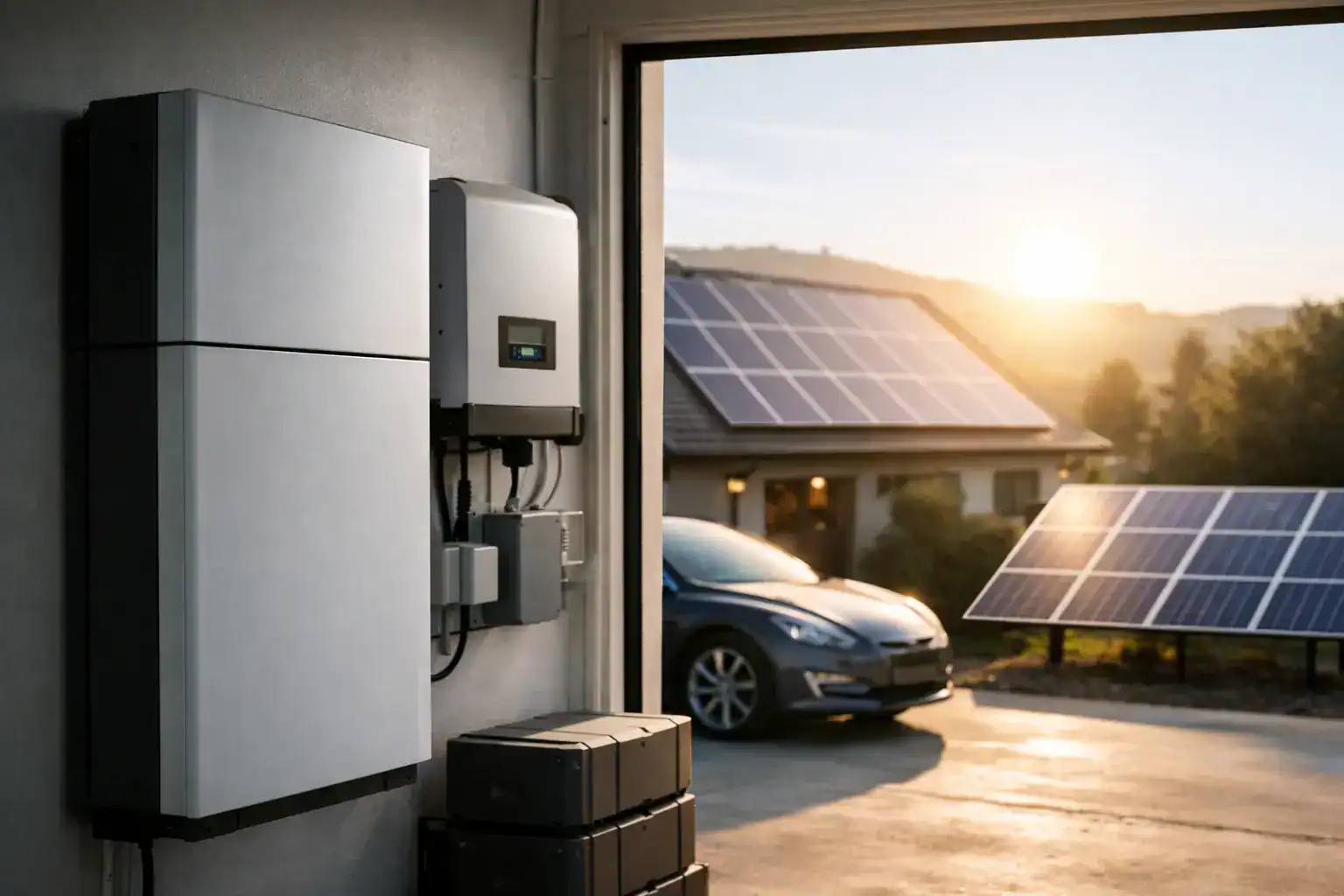
A battery ready solar setup is a solar PV system designed so battery storage can be integrated later without unnecessary replacement work or avoidable compromises. It does not necessarily mean a battery is already installed. It means the solar system, inverter arrangement, electrical infrastructure and available space have been assessed with future storage in mind.
For some properties, that may involve selecting a hybrid inverter capable of managing both solar and a battery. For others, an AC-coupled battery may be the better fit, particularly where solar panels are already installed or where the property has specific energy requirements. Neither approach is automatically better. The right choice depends on the age and design of the solar system, your daytime consumption, future plans and whether backup power matters to you.
Battery readiness should also account for the practical details that can be missed in a quick quote. Is there suitable wall or floor space in a protected location? Is the switchboard ready for the additional equipment? Are cable pathways and metering arrangements straightforward? Does the proposed system suit the site’s export conditions? These questions affect how efficiently a battery can be installed later.
Why SA homes are planning for storage earlier
Solar generation is strongest in the middle of the day, but many households use the most electricity in the morning and evening. A battery stores surplus solar energy for use after the sun goes down, helping reduce reliance on grid power when household demand is still high.
That can be particularly valuable for homes with family routines that include evening cooking, air conditioning, laundry and entertainment. It can also suit households adding an EV charger, replacing gas appliances with efficient electric options, or expecting their electricity use to increase over time.
A battery is not the right immediate answer for every household. If most of your solar production is already being used during daylight hours, or your budget is focused on maximising solar capacity first, installing panels now and preparing for storage later can be a sensible staged approach. The important point is to avoid a solar design that limits your choices just as batteries become the next logical upgrade.
For regional properties, battery planning may have a different purpose. Energy independence, generator integration and resilience can be major priorities where grid supply is less reliable or where site access makes electrical upgrades more involved. Commercial operators may also value storage for managing daytime load patterns, reducing grid purchases or supporting a broader energy management strategy.
Design the system around how you use power
The best solar and battery outcome starts with your real energy habits, not a one-size-fits-all package. Your electricity bills provide a useful starting point, but a proper consultation should look beyond total usage.
Consider when you consume energy. A household that is empty all day has different needs from a home office, a busy family home or a property with a pool pump running through daylight hours. A business with significant daytime operations may gain more from solar generation first, while a site with high evening demand may place greater value on future battery capacity.
It is also worth looking ahead. An EV, electric hot water system, induction cooking, heating and cooling upgrades or a growing family can materially change the amount and timing of electricity you use. Designing for your current bill alone may leave you undersized within a few years.
A well-planned system balances panel capacity, inverter capability and likely battery size. Oversizing one component without considering the others can create constraints. Conversely, careful design lets you expand with confidence when the time is right.
Hybrid inverter or battery added later?
A hybrid inverter is designed to work with solar panels and compatible batteries. It can be an efficient option for a new installation where future storage is already part of the plan. Choosing this route may reduce the complexity of a later battery addition, but the battery options available will depend on the inverter’s approved compatibility list.
An AC-coupled battery has its own battery inverter and can work alongside an existing solar inverter. This approach can offer flexibility, especially for homes that already have a functioning solar PV system. Premium systems such as Tesla Powerwall and BYD battery solutions can be assessed against your property’s requirements, energy goals and electrical configuration.
The decision is not only technical. It is about flexibility, installation pathway, backup requirements and how long you expect to keep your current solar equipment. An experienced installer should explain the trade-offs clearly rather than steering every customer towards the same hardware.
Backup power needs a separate conversation
Many people assume a home battery automatically keeps every appliance running during a blackout. That is not always the case. Backup capability depends on the battery system, the way it is installed and the circuits selected for backup.
A battery can be configured to support essential loads, such as selected lighting, refrigeration, internet and a few power points. Some properties may seek broader backup coverage, but larger loads such as ducted air conditioning, electric ovens, pool equipment and EV charging need careful assessment. The goal is to create a backup plan that is useful in a real outage, not merely impressive on paper.
If resilience is a priority, say so at the quotation stage. Backup design may influence equipment selection, switchboard work and the size of the battery you choose. It is far easier to account for this before installation than to discover later that your preferred circuits were not included.
Do not overlook the switchboard and site conditions
Panels and batteries attract most of the attention, yet the electrical infrastructure behind them matters just as much. Older switchboards, limited space, outdated protection devices or complicated cable runs can influence both the installation scope and the future battery pathway.
A site inspection should identify these factors early. It should also confirm the proposed battery location meets manufacturer requirements for access, ventilation, protection and safe installation. On regional properties, distances between buildings, sheds, meters and switchboards may need additional planning.
This is where fully licensed, accredited trades make a genuine difference. Battery storage involves high-voltage equipment and must be installed to the relevant standards, network requirements and manufacturer specifications. A shortcut at the design stage can become an expensive limitation later.
Factor rebates and eligibility into the timing
Government-backed solar and battery incentives can improve the value of an eligible installation, but programs, criteria and available support can change. Your eligibility may depend on the system, the property, the installation pathway and the timing of your application.
Rather than relying on old information or broad assumptions, ask for current guidance before making a decision. A qualified local provider can help you understand the available options and prepare the documentation required for an eligible installation. For many homeowners, this support is as valuable as the equipment recommendation itself.
Choosing an installer for a future-ready system
A battery-ready system is only as good as the planning behind it. Look for an installer that takes the time to assess your site, discuss future electricity use and provide a clear explanation of compatible battery options. The cheapest initial solar quote is not always the strongest long-term value if it leaves you with limited upgrade choices.
Ask how the proposed inverter accommodates future storage, whether backup can be added, what switchboard work is included and how the system will be monitored. You should also receive clear information about warranties, workmanship and who will be responsible for the installation.
Allstate Solar provides end-to-end solar, battery and EV charging solutions for South Australian homes, regional properties and businesses, with experienced accredited trades and practical guidance from system design through to installation. That local knowledge matters when your system needs to meet both your energy goals and site-specific requirements.
Build for the next decision, not just today’s bill
A battery ready solar setup gives you room to act when your circumstances change. You may decide to add storage after another summer of high bills, when you purchase an EV, when backup power becomes more important or when an eligible incentive makes the numbers more attractive.
The best time to think about a battery is before solar is installed, even if the battery itself comes later. Contact a qualified South Australian solar specialist today to discuss a system that lowers your energy costs now and keeps your future options open.
No Comments