



12 Aug Is Battery Backup Worth It for South Australian Homes?
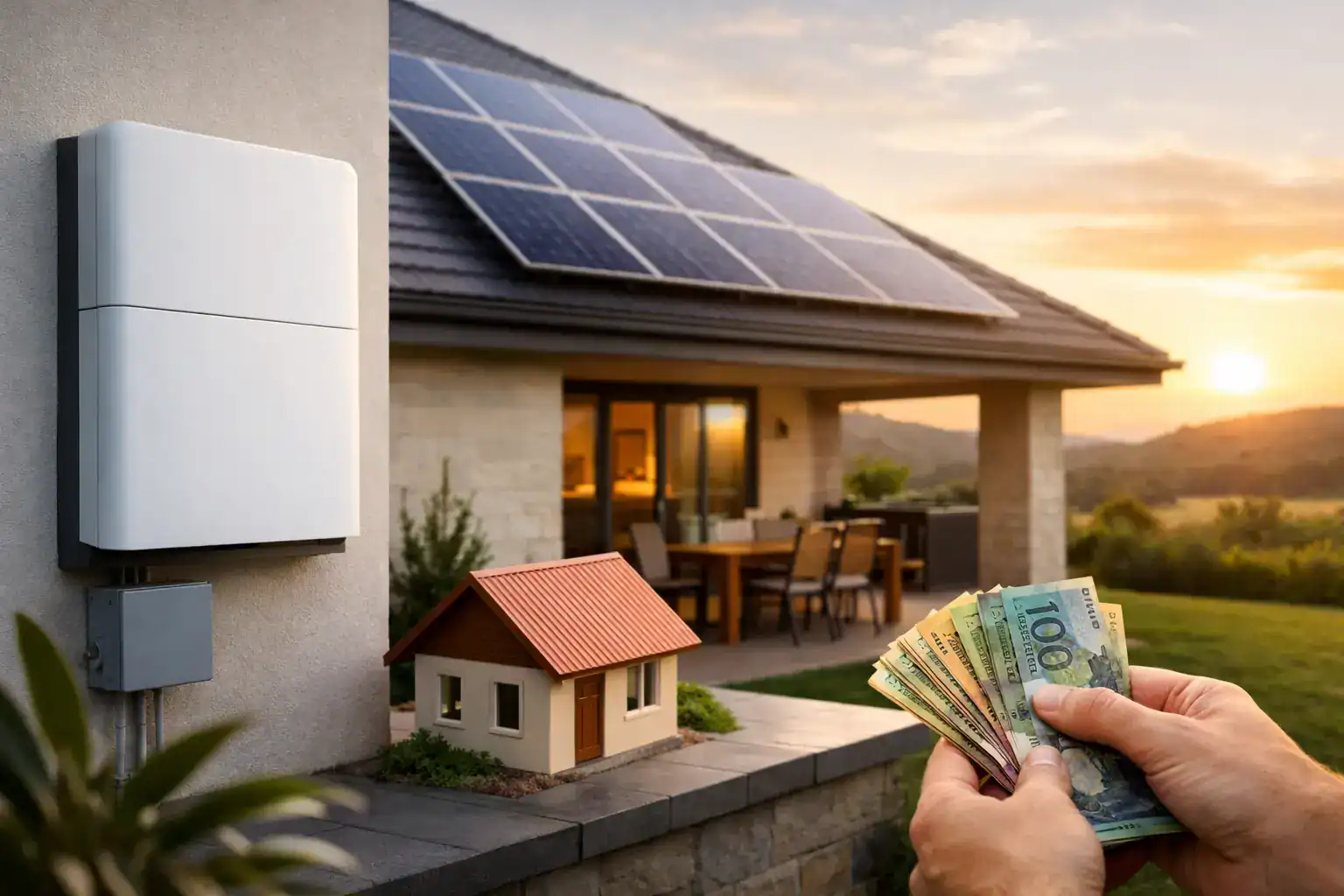
A hot Adelaide afternoon, the air conditioner is running, dinner is on the go and your solar panels are producing more energy than your home can use. Without a battery, much of that valuable generation is sent to the grid. The question, “is battery backup worth it”, comes down to whether you want to use more of your own solar after the sun goes down, and how much confidence you want when the grid is under pressure.
For many South Australian households, a battery is no longer simply an add-on to solar. It is a practical way to reduce reliance on evening grid electricity, manage rising energy costs and keep selected essentials running during a blackout when paired with the right backup configuration. But it is not the right answer for every home. A good decision starts with your usage, your solar production and the outcomes that matter most to you.
Is battery backup worth it with solar?
Solar panels work hardest through the middle of the day. Most households, however, use a large share of their electricity in the morning and evening – when people are home, appliances are running and solar production is lower or unavailable. A home battery stores surplus daytime solar energy so it can be used later rather than being exported straight away.
That change can make a significant difference to how much of your own solar energy you use. Instead of buying as much electricity from the grid after sunset, your home can draw from energy already generated on your roof. For families with evening energy use, this is often the strongest case for battery storage.
A battery can also help smooth out household consumption. It may charge from excess solar during the day, then support the home through the evening peak. The result is greater energy independence and a system that works beyond daylight hours.
Backup power is valuable, but it is not automatic
“Battery backup” can mean different things. Some systems are designed to store solar energy and reduce bills, but are not configured to supply the home during a blackout. Others include backup capability that can power selected circuits, or in some cases a larger portion of the property, when the network goes down.
This distinction matters. Solar panels alone usually switch off during a blackout as a safety measure. A correctly designed battery backup system can safely separate your property from the grid and continue supplying approved loads. The exact experience depends on the battery, inverter, switchboard setup and the circuits included in the backup design.
For most homes, prioritising essential loads is the sensible approach. That could include lighting, refrigeration, internet, selected power points and other everyday necessities. High-demand equipment such as ducted air conditioning, electric hot water, ovens and pool pumps can consume stored energy quickly, so whether they are backed up needs careful planning.
Regional properties may place even more value on backup power, particularly where outages are more disruptive or take longer to resolve. The same applies to households that work from home, rely on medical equipment or simply want greater certainty that the basics can continue during an interruption.
The factors that decide whether a battery makes sense
A battery should be matched to the way your home actually uses energy, not selected on a one-size-fits-all basis. The right system balances storage capacity, power output, solar generation and your future plans.
Your daytime solar surplus
If your panels frequently produce surplus energy during the day, a battery gives that generation a second job. It can capture energy that would otherwise be exported and reserve it for later use. Homes with limited surplus may still benefit, but the battery must be sized carefully so it is regularly charged and used effectively.
Your evening and overnight consumption
A household that uses most of its electricity after work may see greater value from storage than one that consumes heavily during daylight hours. Cooking, heating and cooling, laundry, entertainment and EV charging can all influence the amount of energy required after sunset.
Your existing solar system
Older or smaller solar systems may benefit from an assessment before a battery is added. In some cases, improving solar generation first can create more energy for a battery to store. In others, a quality battery installation can integrate well with an existing system. The answer depends on system condition, output, roof space and household demand.
What you want protected in an outage
Backup power is not just about how much energy a battery stores. It is also about how much power it can deliver at one time. A system may have enough stored energy for many hours of basic loads, but not enough output to run every large appliance at once. Defining your essential circuits early helps ensure the system is designed for real-world use.
Your plans for an EV, pool or electric appliances
Energy needs change. An electric vehicle, new air conditioning, electric cooking or a growing family can alter the value of storage significantly. A system designed with future expansion in mind may be a better long-term fit than one that only reflects today’s usage.
When battery storage may not be the best next step
Battery storage delivers the strongest value when there is regular surplus solar to store and a meaningful need for energy outside solar hours. If your household is rarely home in the evenings, has very low electricity use or has little surplus generation, the immediate benefit may be more limited.
It can also make sense to address the basics first. Reducing unnecessary consumption, choosing efficient appliances and ensuring your solar system is performing as expected can improve the outcome of any future battery installation. Storage is most effective as part of a considered home energy plan, not as a substitute for system design.
For some households, the main goal is lower grid use. For others, it is blackout resilience. These are related but different objectives, and the best configuration may change depending on which one matters more. An experienced installer should explain the trade-offs clearly rather than promising that every battery will power everything, all the time.
South Australian rebates and battery programs
South Australia has long been a leader in household solar, and eligible homeowners may be able to access government-backed support or battery-related programs depending on current conditions. Eligibility requirements, available funding and program rules can change, so it is worth checking what applies before committing to a system.
Virtual Power Plant participation may also be an option for suitable households. These programs can connect home batteries to a wider energy network and may provide additional value under specific terms. Participation should be considered carefully, including how the arrangement affects battery operation, access to stored energy and your backup priorities.
A local assessment can help identify available options while keeping the focus on the system itself: reliable equipment, correct installation and a design suited to your home.
Choosing a battery system with confidence
A battery is a substantial part of your home’s electrical infrastructure. Product quality matters, but so does the team designing and installing it. Look for a fully licensed, accredited installer that can assess your energy data, explain backup options in plain language and provide a clear scope of works.
Recognised battery options such as Tesla Powerwall and BYD systems can suit different homes and energy goals. The best choice is not necessarily the largest battery. It is the system that fits your solar output, household load profile, backup requirements and plans for the years ahead.
At Allstate Solar, our South Australian team can assess your current energy use and recommend a tailored solar battery solution, including the practical details that determine how it performs day to day. That includes storage needs, backup circuits, system compatibility and available rebate pathways.
If your solar is regularly generating more than your home can use, or you are tired of being exposed to evening grid costs and unexpected outages, a battery assessment is a sensible next move. Enquire today to find out whether battery backup can make your home more self-reliant, more resilient and better prepared for the way you live.
No Comments