



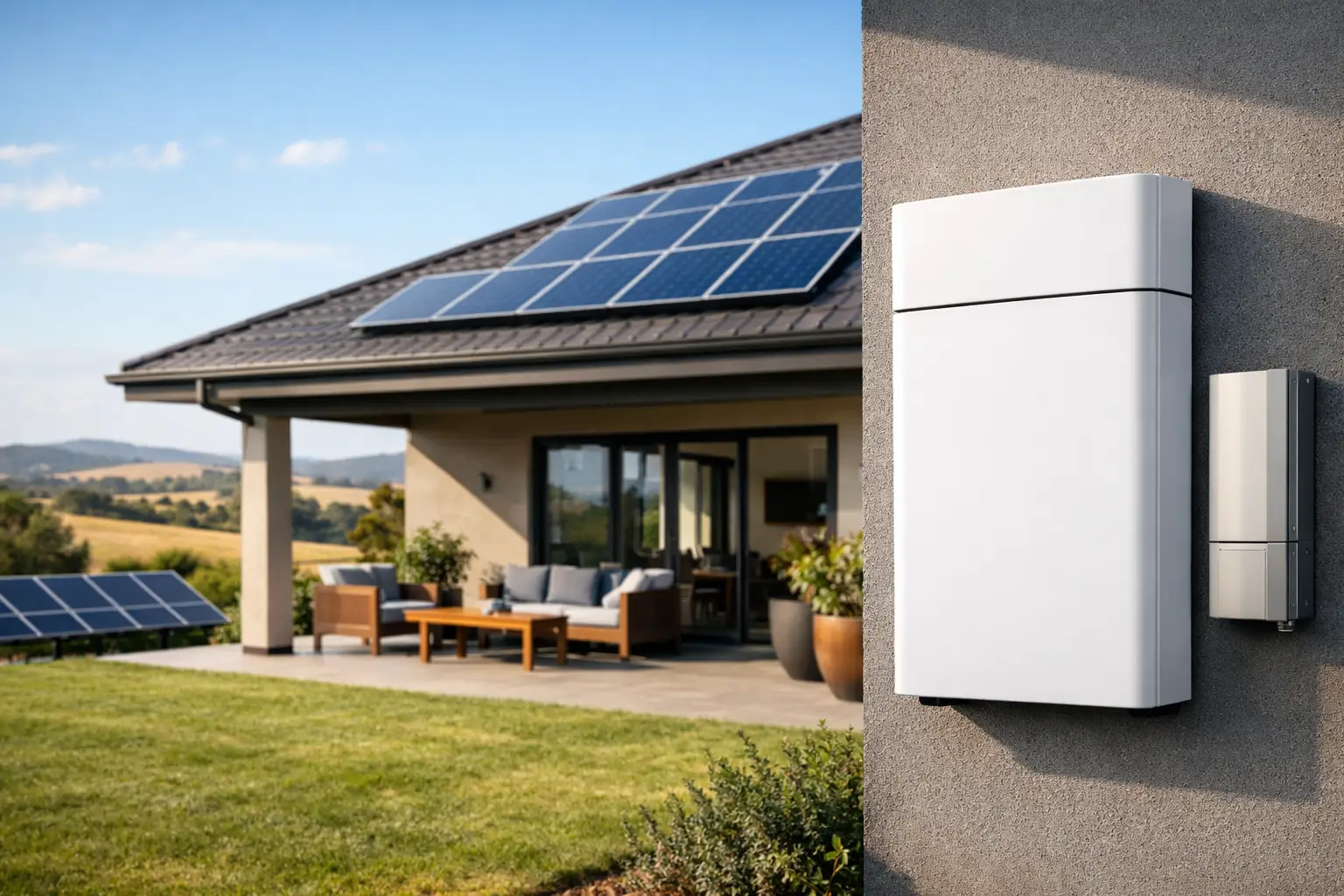
25 Jul Best Solar Batteries Australia for SA Homes
A battery that looks impressive on a spec sheet can still be the wrong fit for your home. When South Australians search for the best solar batteries Australia has available, the real question is usually simpler: which system will reduce reliance on the grid, suit the household’s energy habits and be installed properly for the long haul?
For some homes, that means dependable evening power after the solar panels stop producing. For others, it means backup capability during an outage, charging an EV more intelligently, or joining a Virtual Power Plant program. The right answer depends on your solar production, electricity use and the outcome you want from your investment.
What makes a solar battery one of the best?
Battery capacity matters, but it is not the only measure of value. A larger battery may store more solar energy, yet it can take longer to charge from an undersized solar system or leave capacity unused on low-consumption days. A well-matched system is usually more valuable than simply choosing the biggest available option.
The strongest battery solutions combine useful storage capacity, suitable power output, quality warranty support, smart monitoring and compatibility with your existing or planned solar system. In South Australia, it also pays to consider how the battery will operate during high solar generation periods, evening peak demand and any future participation in a VPP.
Just as importantly, battery performance is only as good as the design and installation behind it. Your switchboard, inverter, solar array, household loads and site conditions all need to be assessed before a recommendation is made. This is not a purchase that should be based on a single headline figure.
Best solar batteries in Australia: premium options for SA homes
For homeowners seeking recognised, high-quality battery storage, Tesla Powerwall and BYD battery systems are two leading options worth considering. Each can be an excellent choice when paired with the right solar design and installed for the household’s needs.
Tesla Powerwall
Tesla Powerwall is a popular option for households that want a fully integrated, smart home battery solution from a well-known brand. It is designed to store solar energy for later use and can support backup functionality when configured as part of a suitable system.
A key strength is its energy management capability. The system can help households make better use of solar production, monitor energy flows and respond to changing usage patterns. It can be particularly appealing for families with meaningful evening consumption, air conditioning loads, an EV charger or a desire to reduce grid dependence.
Powerwall is not automatically the best choice for every property, however. The existing solar equipment, available installation space, backup expectations and household consumption profile should all be checked first. A proper site assessment ensures the system works as intended rather than simply looking good on paper.
BYD battery systems
BYD battery systems offer a flexible storage pathway for many residential applications. Their modular design can be well suited to homes where battery capacity needs to be matched closely to daily consumption, solar generation and future plans.
This flexibility is valuable for households that expect their energy use to change. A growing family, a new EV, a pool pump, electric heating or a move towards all-electric appliances can significantly alter the amount of stored energy a home can use. Selecting a battery solution with the right configuration from the start helps avoid unnecessary compromises.
The best choice between Tesla Powerwall and a BYD battery system comes down to the broader energy system, not brand recognition alone. Both are premium options. The right one is the battery that suits your roof, your usage and your energy goals.
Size the battery around how your home actually uses power
Many households export excess solar during the middle of the day, then buy electricity from the grid once everyone gets home. A battery is designed to shift some of that daytime solar into the evening, when household demand often rises.
Start by looking at the hours after solar generation fades. Consider cooking, heating and cooling, lighting, entertainment, laundry, pool equipment and EV charging. A household that uses most of its energy in the morning and evening may benefit from storage differently to a home where people are out during the day and usage stays modest overnight.
Your solar system also needs to be part of the calculation. If the array is too small to consistently charge a large battery, the battery may regularly rely on grid energy. If the solar array produces abundant daytime energy but the battery is too small, much of that generation may still be exported. A balanced solar and battery design gives you a better chance of increasing self-consumption.
Regional properties can have additional considerations. Long feeder lines, higher reliance on electricity for pumps or equipment, and a greater need for energy resilience can all shape the recommended system. An experienced installer will assess the full property load profile rather than treating every home as the same.
Backup power is valuable, but know what it covers
Backup power is one of the most requested battery features, particularly for homeowners who want more certainty during unexpected outages. However, backup capability is not identical across all battery designs or installations.
Some systems can be configured to power selected essential circuits during an outage, such as lighting, refrigeration, internet equipment and certain power points. Other configurations may provide broader whole-home backup, subject to the system design and the loads being used. High-demand appliances can require careful planning, especially if several are running at once.
Before choosing a battery, be clear about what you want to keep operating. If your priority is food refrigeration, communications and basic lighting, that is a different brief from keeping major heating or cooling equipment running. Setting realistic backup expectations early is the best way to achieve a practical result.
VPP readiness and South Australian battery incentives
A battery can do more than store your own solar energy. Eligible systems may also be suitable for Virtual Power Plant participation, allowing connected batteries to respond to wider network needs under the terms of a VPP program. This can suit homeowners who are comfortable with a battery being managed within agreed program settings.
VPP participation is not right for every household. You should understand how the arrangement may affect battery availability, exports, charging behaviour and backup preferences. A good consultation will explain the trade-offs in plain language so you can decide whether greater grid participation aligns with your priorities.
South Australian households should also investigate current government-backed battery and solar incentive opportunities before committing to a system. Eligibility requirements, approved products, installation standards and available funding can change. Getting advice before installation helps ensure your system is designed with the relevant requirements in mind.
Installation quality matters as much as the battery brand
A premium battery deserves a premium installation. The work should be completed by appropriately licenced and accredited professionals, with attention to electrical safety, system compatibility, ventilation requirements, positioning and future service access.
At Allstate Solar, recommendations are built around the property and the customer’s energy objectives, not a one-size-fits-all package. That means considering your existing solar, consumption habits, battery location, backup needs and whether EV charging, hybrid operation or VPP participation may be part of the picture.
For commercial clients, the same principle applies at a larger scale. Battery storage needs to reflect operating hours, demand patterns, solar generation and the importance of continuity for the business. The objective is a practical energy solution that supports lower operating costs and stronger energy resilience.
Choose a battery for the home you will have next year
The best battery is rarely just about today’s electricity bill. Think about planned changes over the next few years. If you expect to add an EV charger, replace gas appliances with electric alternatives, install a pool or spend more time working from home, your electricity profile may look very different.
A professional assessment can identify whether your current solar system is ready for battery storage, whether an upgrade is sensible and how much capacity is likely to be genuinely useful. It also gives you clarity on backup options, monitoring, warranty considerations and available incentive pathways.
A well-designed battery system should make your solar work harder for your household, not add complexity to it. Contact an experienced South Australian solar and battery team today to discuss a system matched to your property, your usage and the level of energy independence you want.
No Comments