



17 Jul Tesla Powerwall Versus Sigenergy for SA Homes
When the grid goes down on a hot South Australian afternoon, a home battery is no longer just about storing excess solar. It is about keeping essential circuits running, protecting comfort and having more control over when you buy electricity. The Tesla Powerwall versus Sigenergy decision comes down to how your household uses energy, whether you want backup capability, and how much flexibility you need as your solar and electricity needs change.
Both are premium battery pathways suited to modern solar homes. The right choice is not simply the battery with the biggest headline figure. It is the system designed around your roof space, existing solar, switchboard, household loads and future plans.
Tesla Powerwall versus Sigenergy: the practical difference
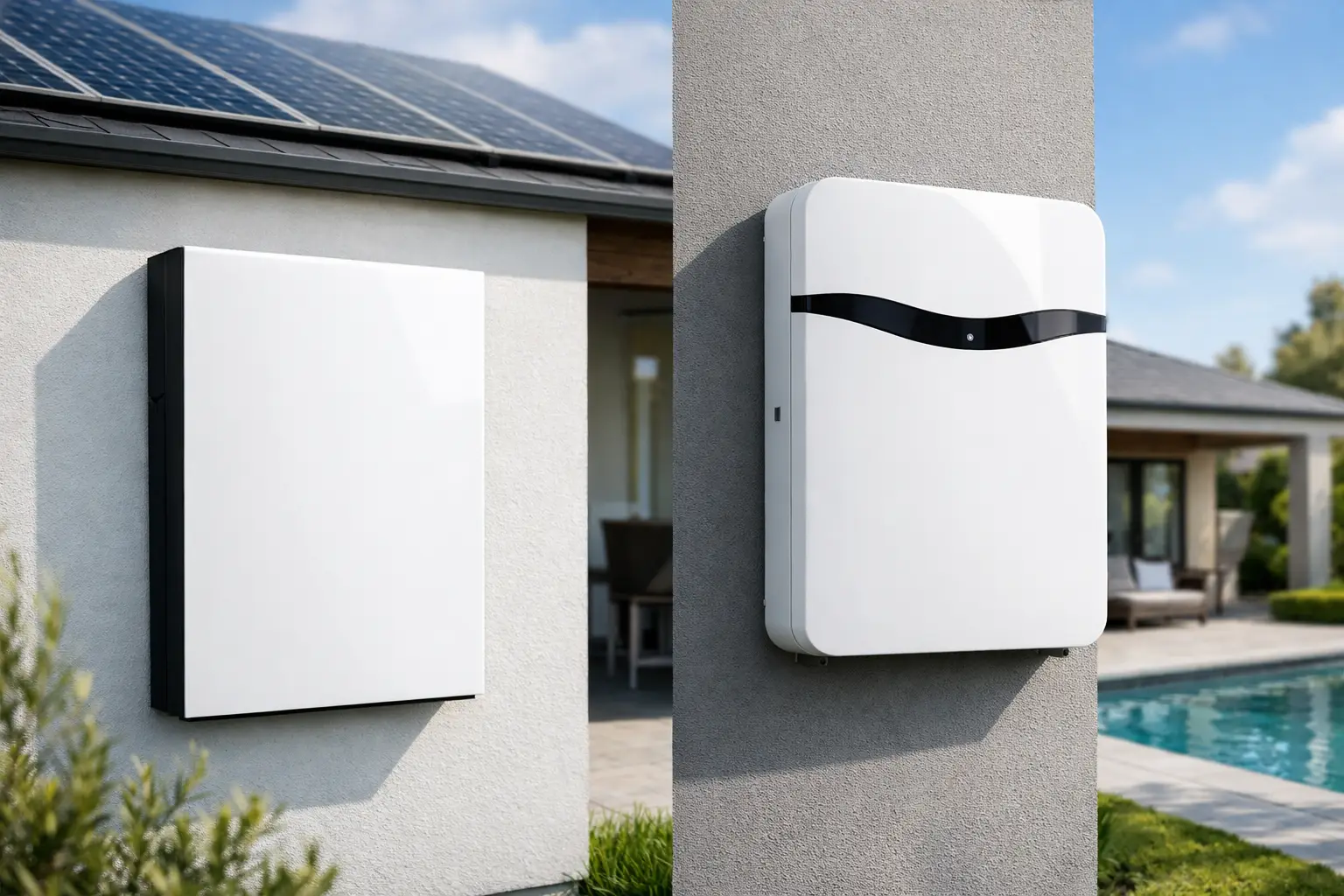
Tesla Powerwall is a familiar name in home energy storage for good reason. Its current design combines battery storage and a solar inverter in one compact unit, creating a clean, integrated solution for many homes. It is particularly appealing for households wanting a recognised all-in-one system with straightforward monitoring and a polished user experience.
Sigenergy takes a more modular approach. Its SigenStor platform can combine battery modules with an inverter, energy controller and optional EV charging capability. That modular format can suit homes where battery capacity may need to grow over time, or where the owner wants to build a broader home energy system from the outset.
Neither approach is automatically better. A family with consistent evening use and a standard solar setup may favour the simplicity of Powerwall. A larger household, regional property or home with changing energy demands may see value in Sigenergy’s configurable architecture.
Battery capacity should match your real usage
Battery capacity tells you how much energy can be stored, but it does not tell the whole story. The more useful question is how much electricity your home needs after the sun goes down and during a backup event.
Tesla Powerwall provides a substantial single-unit storage option, which suits many South Australian households with solar panels, air conditioning and typical evening demand. Where more storage is required, additional units can be considered as part of the system design.
Sigenergy uses stackable battery modules. This allows capacity to be tailored more closely at installation and potentially expanded later, subject to the site design and system limits. That can be attractive for households planning to add an EV, install more solar panels, move to all-electric heating or accommodate growing family energy use.
More storage is not always the answer. An oversized battery can leave capacity unused for much of the year, while an undersized system may run flat before the morning solar generation begins. A proper assessment looks at interval consumption data, solar production, export patterns and the loads you actually want to support.
Backup power is where the details matter
Many homeowners assume any battery will keep the whole house operating during a blackout. In practice, backup performance depends on the battery system, backup hardware, switchboard configuration and the appliances running at the time.
Both Tesla Powerwall and Sigenergy can be designed for backup power, but the outcome must be specified before installation. Essential-load backup may cover items such as lighting, refrigeration, internet, selected power points and a garage door. Whole-home backup can offer broader coverage, although high-demand appliances may need careful management.
Air conditioners, electric ovens, pool pumps, hot-water systems and EV chargers can draw significant power. A well-designed backup system considers what can run together without exceeding the battery’s available output. For regional South Australian homes where outages can last longer, this planning is especially valuable.
Ask for a clear explanation of the proposed backup arrangement. You should know which circuits are backed up, what happens when the grid fails, and how solar generation contributes during daylight hours. This is one area where experienced, accredited installation matters as much as the battery brand itself.
Solar compatibility and new installations
Powerwall can be an excellent fit for a new solar and battery installation because its integrated inverter design can simplify the overall system layout. It may also suit certain existing solar homes, depending on the current inverter, system age and site configuration.
Sigenergy can work well in both new and retrofit scenarios, particularly when a flexible hybrid design is preferred. Its architecture may make sense where future solar expansion, additional battery capacity or EV charging is part of the plan.
The answer depends on what is already on your roof and wall. Before choosing either system, an installer should inspect the existing solar equipment, meter arrangement, switchboard condition, available wall or ground space, network requirements and shading profile. A battery should complement a quality solar system, not be treated as a standalone purchase.
Monitoring and daily control
A good battery system should make it easy to see where your energy is going. Tesla’s app is widely recognised for giving homeowners a simple view of solar generation, household consumption, battery charge and grid imports. It is designed for owners who want useful information without having to become energy technicians.
Sigenergy also provides detailed energy monitoring through its app ecosystem, with visibility across battery storage and connected energy equipment. For homeowners who enjoy fine-tuning their energy use or who are planning a more integrated solar, battery and EV setup, that level of control can be appealing.
For most households, the best app is the one that helps them act. That might mean shifting dishwasher use to the middle of the day, setting sensible reserve levels for blackout protection, or seeing whether an EV is charging from solar rather than the grid.
Planning for EVs and an all-electric home
If an EV is likely to be parked in your driveway within the next few years, include it in the battery conversation now. EV charging can materially change household electricity consumption, especially when charging occurs after sunset.
Tesla Powerwall can form part of a well-designed solar and EV charging solution, with system controls tailored to the household’s priorities. Sigenergy’s modular platform is also worth considering for homes that want battery storage, solar management and EV charging options in a coordinated setup.
The key is not to assume a home battery will charge an EV every night without consequences. Battery capacity, charging speed, overnight household loads and your solar production all need to be considered. In many cases, intelligent daytime charging from solar is the more economical strategy.
Rebates, approvals and installation quality in SA
Battery incentives and eligibility rules can materially affect the system you choose. Programs, approved-product requirements and available funding can change, so advice should be based on the rules applying when you are ready to proceed. The battery must also be designed and installed to meet relevant Australian Standards, network requirements and product conditions.
South Australian homes can have additional considerations, including distributor approval processes, export limits and the condition of older switchboards. These are not shortcuts to take. A premium battery performs at its best when it is paired with correct electrical design, compliant protection equipment and a properly commissioned solar system.
Choose a fully licensed, accredited team that explains the scope clearly and can assist with the practical steps around approvals and available battery rebate pathways. The cheapest quote is rarely the best value if it overlooks backup design, switchboard work, monitoring setup or after-installation support.
Which battery is right for your property?
Choose Tesla Powerwall if you value a proven, integrated battery solution, straightforward app control and a streamlined design for a typical residential solar installation. It can be a strong option for homeowners who want reliable storage and carefully planned backup without unnecessary complexity.
Consider Sigenergy if modular expansion, configurable capacity or a broader solar-battery-EV strategy is central to your plans. It may be particularly suitable where energy use is likely to increase, such as a growing household, a larger regional home or a property moving towards all-electric appliances.
The best result starts with your usage data, not a generic package. A site-specific recommendation should account for your goals: lower bills, more solar self-consumption, blackout protection, EV readiness or greater independence from peak electricity rates.
Allstate Solar can assess your home, explain the practical trade-offs and design a compliant battery solution around the way you live. Contact our South Australian team today for clear advice before choosing the battery that will support your home for years to come.
No Comments