



11 Jul How to Choose Home Battery Size for Your SA Home
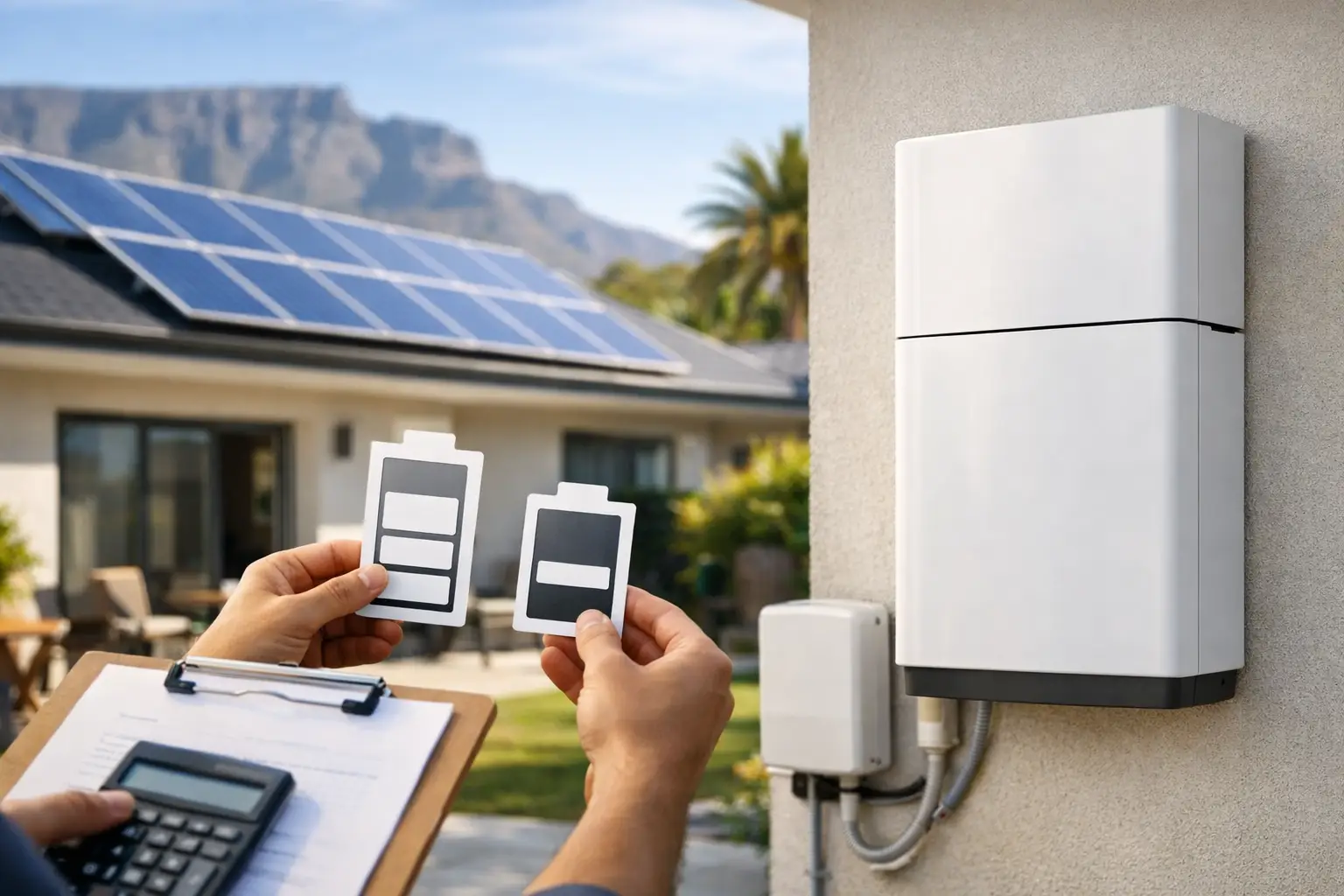
A home battery that is too small can fill before the day is done and leave little energy for the evening peak. One that is far larger than your household can use may take longer to deliver the value you expected. To choose home battery size with confidence, start with how your South Australian home actually uses and produces power – not a one-size-fits-all battery figure.
For most households, the right answer sits somewhere between your solar generation, the energy you import after sunset and the level of backup you want when the grid is unavailable. A quality battery assessment turns those details into a system designed for your home, your lifestyle and your energy goals.
Start with your evening electricity use
Solar panels often generate most strongly during the middle of the day, when many homes have lower demand. A battery stores surplus solar energy so it can be used later, particularly through the afternoon and evening when household consumption commonly rises.
Look at your electricity bills or smart-meter data and identify how much power you typically draw from the grid after solar production drops away. Think about the regular loads in your home: cooking, lighting, televisions, heating or cooling, pool equipment, refrigeration and laundry. A household that imports 8 kWh most evenings has a very different storage requirement from one importing 18 kWh.
Do not size a battery around one unusually high-use day. Use a full year of data where possible, because South Australian energy use changes with summer air conditioning, winter heating, school holidays and work-from-home routines. The aim is to cover a meaningful share of your normal evening demand, rather than chase perfection on every day of the year.
Understand kWh and kW before comparing systems
Battery capacity is measured in kilowatt-hours, or kWh. This tells you how much energy the battery can store. A 13 kWh battery, for example, holds more energy than a 10 kWh battery.
Power output is measured in kilowatts, or kW. This tells you how much electricity the battery can deliver at one time. Capacity affects how long the battery can run. Power output affects which appliances can run together.
Both figures matter. A battery may have enough stored energy for the evening, but if its output is not suited to your peak loads, it may not support several high-demand appliances operating at once. This is particularly relevant for larger homes with ducted air conditioning, electric hot water, pumps or EV charging.
Match battery capacity to your solar system
Your battery needs enough surplus solar energy to charge regularly. If your existing solar system produces limited excess energy during the day, installing a very large battery may mean it cannot fully charge from solar on many days. It can still provide benefits in some tariff or Virtual Power Plant arrangements, but the design needs to be deliberate.
A solar system with strong daytime surplus can support more storage and reduce the amount of solar exported to the grid. If your household is home during the day and uses most of its solar generation directly, a smaller battery may be more appropriate unless your solar system is also being expanded.
Seasonality matters here. Solar output is generally higher in summer and lower in winter, while household consumption may move in the opposite direction. A sound recommendation considers what the system will do across the year, not simply how it performs on a clear January day.
For households planning to add an EV, switch from gas to electric appliances or install more efficient heating and cooling, future demand should be part of the conversation. It may be sensible to select a battery platform that can be expanded later rather than oversizing immediately.
Decide what backup means to your household
Battery backup is one of the biggest reasons South Australians choose storage, but backup capability is not identical across all system designs. Some systems are designed to keep selected essential circuits operating during an outage. Others can be configured to support more of the home, subject to the battery, inverter and site requirements.
Before selecting a size, decide what you need to keep running if the grid goes down. For many households, that means lights, refrigeration, internet, selected power points and essential medical equipment. Regional properties may also need to consider water pumps, gates, communications or other critical loads.
Trying to run every appliance as normal during an outage requires more capacity and more power output than covering essential loads. It can be the right choice for some properties, but it is a trade-off. A clear backup plan prevents disappointment and ensures the system is designed around the circuits that matter most.
How to choose home battery size for common households
There is no universal battery size for a three-bedroom home, a family of four or a property with a certain number of solar panels. Usage patterns are more useful than bedroom counts. Still, the following scenarios show how the decision typically works.
A household with moderate evening use, good daytime solar surplus and a goal of reducing grid imports may find a single residential battery suitable. A larger family running air conditioning, cooking electrically and using substantial energy after sunset may require greater usable capacity or a battery system that can be expanded.
A regional home with unreliable grid supply may place more emphasis on backup duration and essential-load power. A home with an EV may focus on scheduling charging during the solar-rich part of the day, rather than expecting the battery to charge the vehicle overnight. Commercial sites need a separate analysis of operating hours, demand peaks and critical equipment.
The key is usable capacity, not only the number printed on a brochure. Batteries maintain operating limits to protect performance and longevity, so your installer should clearly explain how much stored energy is available for everyday use and backup.
Consider tariffs, exports and battery programs
Your electricity tariff affects how a battery works for your household. If grid electricity costs more during particular periods, storing solar for use at those times can improve the value of the energy your panels generate. Feed-in rates also matter: when the return for exporting solar is lower than the cost of buying electricity back later, self-consumption becomes more attractive.
Some battery owners also choose to participate in a Virtual Power Plant program. These programs can offer benefits, but they may include requirements around battery availability, control and performance. A battery should first suit your household’s daily needs, then be assessed for compatibility with any program you are considering.
South Australian households may also be eligible for government-backed support or financing arrangements, depending on the program rules and their circumstances. Eligibility, approved products and conditions can change, so it is worth getting current advice before making a decision. Rebate support can influence the system you select, but it should not replace proper sizing.
Avoid the two common sizing mistakes
The first mistake is choosing solely on the basis of the biggest available capacity. More storage can be useful, but only when it can be charged, discharged and put to work consistently. Otherwise, you may be paying for capacity that sits unused for long periods.
The second is selecting a battery only to meet a minimum target. A system that handles a small part of evening consumption may still help reduce bills, yet it may not meet your expectations for backup, energy independence or future electric appliances. The right design balances current data with likely changes over the next several years.
It is also wise to consider installation conditions. Switchboard capacity, existing solar equipment, roof generation, shade, available wall space, ventilation and property access can all shape the final solution. These details are best checked during a site assessment, not guessed from a power bill alone.
Get a battery recommendation based on real data
The most reliable way to choose a home battery is to provide recent electricity bills, details of your solar system and an honest picture of how your household operates. Tell your installer about planned EV charging, new appliances, pool equipment, medical needs and the loads you would want protected in an outage.
At Allstate Solar, our experienced team can assess your energy use, solar production and site requirements to recommend a battery solution suited to your South Australian home or regional property. We work with recognised battery technology and fully licensed, accredited trades, helping you make a considered decision rather than relying on a generic online estimate.
A well-sized battery should feel practical from day one: it captures more of the solar energy you generate, supports the loads that matter and leaves room for the way your home may change. Contact our team today to discuss your usage, backup priorities and available battery rebate options.
No Comments