


03 Jul Why Licensed Solar Installers Matter in SA
A solar quote can look impressive on paper, but the real value shows up years later – in system performance, safety, warranty support and whether the job was done properly from day one. That is why licensed solar installers matter so much for South Australian homes, regional properties and commercial sites. If you are investing in solar panels, battery storage, an EV charger or a hybrid setup, the quality of installation is every bit as important as the hardware itself.
In South Australia, energy decisions are rarely casual purchases. Families want lower power bills without headaches later. Regional property owners need systems that can handle harsher conditions and more demanding energy needs. Business owners need dependable performance, compliance and a clear return on investment. In all three cases, choosing an experienced, fully licensed team is one of the smartest decisions you can make.
What licensed solar installers actually bring to the job
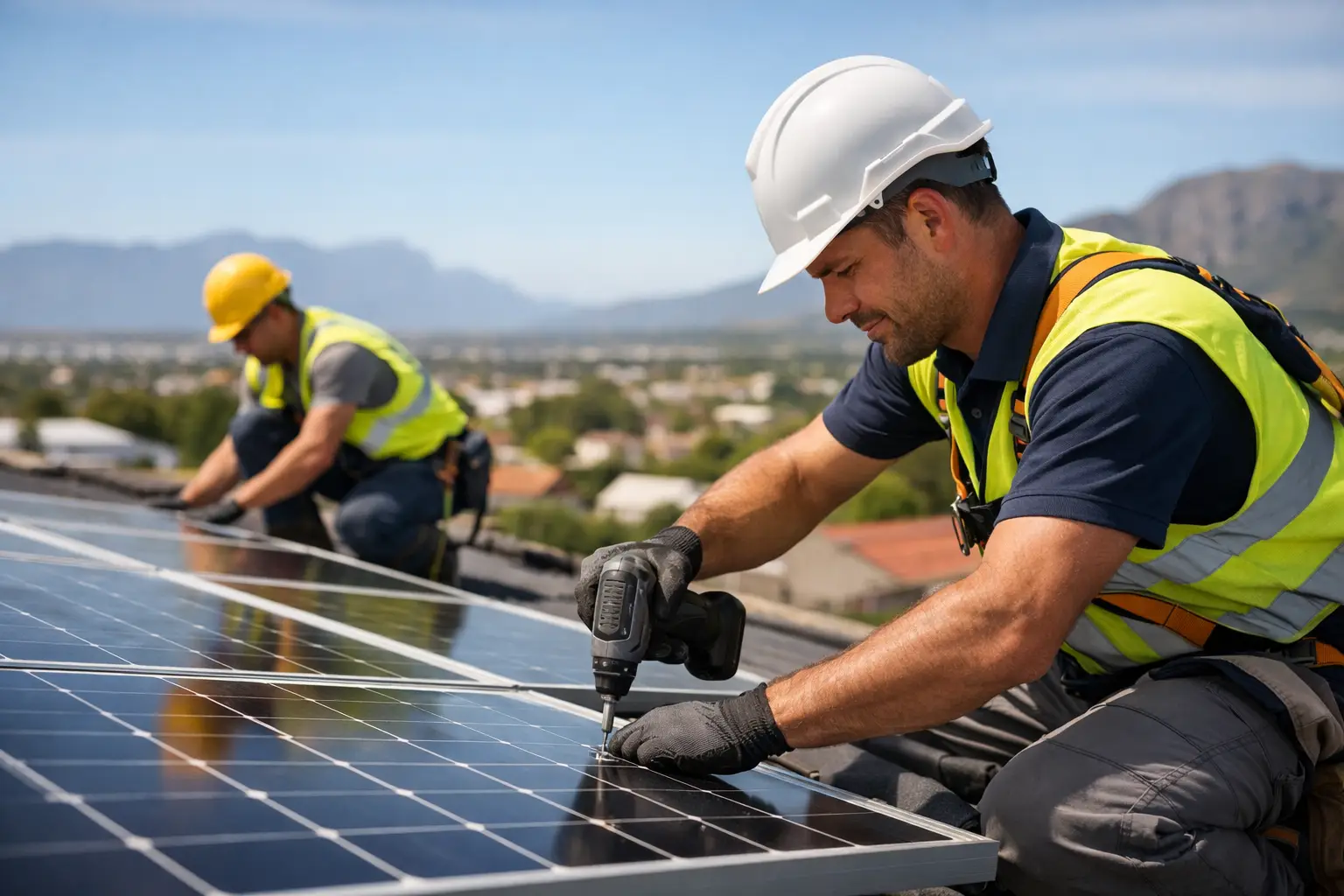
A licence is not a marketing extra. It is a practical safeguard. Licensed solar installers are qualified to carry out electrical work to the required standards, and that matters because solar is not just a rooftop product. It is an electrical system tied into your property, your switchboard and, in many cases, the grid.
When the installation is handled correctly, everything works as it should. Panels are positioned and connected properly. Inverters and batteries are installed to specification. Cable runs, isolators and switchboard upgrades are managed safely. Compliance paperwork is handled correctly. If there are rebate or incentive requirements, those details are less likely to be missed.
That does not mean every licensed installer offers the same standard of work. Experience still counts. Insurance still counts. Product knowledge still counts. But licensing is the baseline that tells you the people touching your system are properly qualified to do so.
Why licensed solar installers are critical for safety
Solar systems sit on your roof and connect directly to your home or business power supply. Batteries add another layer of technical complexity. EV chargers need to be integrated correctly. Off-grid and hybrid systems demand careful design, not guesswork.
A poor installation can create problems that are expensive at best and dangerous at worst. Faulty wiring, poor component placement, unsuitable mounting methods or rushed electrical work can affect performance and safety. You may not notice those issues straight away. Sometimes they only show up when the system is under pressure, during extreme weather or when you try to expand the setup later.
That is one reason serious solar providers put so much emphasis on fully licensed, accredited trades. It is about protecting the property, the people using it and the long-term performance of the system. If an installer treats licensing as a small detail, that is usually a warning sign rather than a minor oversight.
Rebate eligibility and compliance are not side issues
South Australian customers are rightly focused on value. For many households and businesses, that includes accessing available government-backed solar or battery incentives. The catch is simple – if the installation does not meet the relevant requirements, your project can quickly become more complicated than expected.
This is where experienced licensed solar installers make a real difference. They understand that the job is not only about putting panels on a roof. It is also about meeting standards, using compliant products where required, and completing the installation in a way that supports eligibility for available schemes.
The exact pathway depends on the type of system and the property. A straightforward residential solar setup is different from a battery installation, and both differ again from a commercial project or off-grid property. The best approach is always to work with a team that understands the local regulatory environment and can guide you through it clearly. Contact us today if you want help making sense of what applies to your site.
Cheap solar can become expensive later
Most property owners are not looking for the cheapest possible system. They are looking for value. There is a difference.
Low-cost offers can seem attractive, especially when electricity bills keep climbing. But when the installation quality is poor, the savings can be undermined by service call-outs, performance issues, warranty disputes or upgrades that should have been handled properly the first time. A battery that is not integrated correctly, an inverter positioned badly, or a system that was oversized or undersized for the property can all reduce the value of the investment.
Licensed solar installers with a solid track record tend to approach the job differently. They look at the property, usage patterns and future plans. They consider whether battery storage makes sense now or later. They account for roof layout, shading, switchboard condition and site-specific needs. For regional and commercial sites, they also think harder about resilience, access and system durability.
That is the kind of thinking that leads to better outcomes, not just faster sales.
The South Australian difference
Solar in South Australia is not a one-size-fits-all category. Metropolitan homes, regional properties and commercial sites can have very different energy demands and installation conditions. A suburban family might want to pair Solar PV with battery storage to cut peak power costs. A regional property owner may need stronger energy independence with hybrid capability. A business may want a larger system to reduce operating costs and improve long-term energy certainty.
Licensed solar installers who know the SA market can account for those differences. They understand local conditions, common property types, grid considerations and the practical realities of installing systems across the state. That local knowledge matters because the right solution for one site may be the wrong fit for another.
It also matters when support is needed after installation. Solar is a long-term asset. You want confidence that the team behind it knows the region, understands local expectations and will still be there when you need advice, service or future expansion.
What to check before you sign
If you are comparing providers, focus on more than the equipment brand names. Ask whether the installation team is fully licensed and accredited for the work being performed. Ask about insurance coverage. Ask who is actually completing the installation. Ask whether they have experience with the kind of system you need, whether that is residential solar, a battery, an EV charger, or an off-grid or hybrid configuration.
You should also look for signs of a service-led business rather than a quote-chasing sales operation. Clear consultation, practical site assessment, realistic performance expectations and support with rebate pathways are all good indicators. So are strong customer reviews and a long-standing presence in South Australia.
For commercial customers, the conversation should go deeper. A credible installer should be able to discuss load profiles, operational goals, site constraints and future scalability. For homeowners, they should be able to explain the expected benefits in plain language without talking around key details.
Why experience still matters alongside licensing
Licensing confirms qualification, but experience sharpens judgement. That matters because no two properties are exactly alike. Roof orientation, available switchboard capacity, battery placement, energy usage habits and future upgrade plans all affect the design.
An experienced team is more likely to spot issues early and deal with them properly. They can identify whether a battery-ready approach makes sense. They can recommend whether a Tesla Powerwall, BYD battery system or another suitable solution matches the property goals. They can plan for EV charging without compromising the broader setup. They can also tell you when a particular option is not worth pursuing yet, which is often just as valuable as a sales pitch.
That kind of practical honesty builds trust. It also leads to systems that are better matched to real-world use.
A better solar result starts with the right installer
Solar should reduce stress, not add to it. The right installer helps you avoid shortcuts, protects your safety, supports compliance and gives your system the best chance to perform as intended over the long term. That is especially true when batteries, EV chargers or regional property requirements are part of the picture.
At Allstate Solar, we know South Australians want more than a fast quote. They want qualified trades, dependable service and a system installed properly by people who stand behind their work. If you are weighing up solar, battery storage or a more tailored energy setup, enquire now and start with a team that treats licensing, accreditation and workmanship as non-negotiable.
A solar system can only be as reliable as the people who install it, so choose the team you trust to get it right the first time.
No Comments