



11 Jun Solar vs Solar PV: What’s the Difference?
If you have been comparing quotes or researching energy upgrades, you have probably seen the terms used as if they mean the same thing. That is where a lot of confusion starts. In the solar vs solar pv conversation, the short answer is this: solar is the broad category, while Solar PV refers specifically to solar panels that generate electricity.
That distinction matters more than it seems. If you are a South Australian homeowner or business looking to cut power bills, add battery storage, or plan for long-term energy independence, you need to know exactly what system you are being offered. The right advice starts with the right terminology.
Solar vs solar pv: the simple answer
Solar simply means energy that comes from the sun. It is an umbrella term. It can refer to different technologies that use sunlight for different outcomes.
Solar PV stands for solar photovoltaic. This is the technology that converts sunlight into electricity. When most people say they want solar for their home or business, they usually mean a Solar PV system.
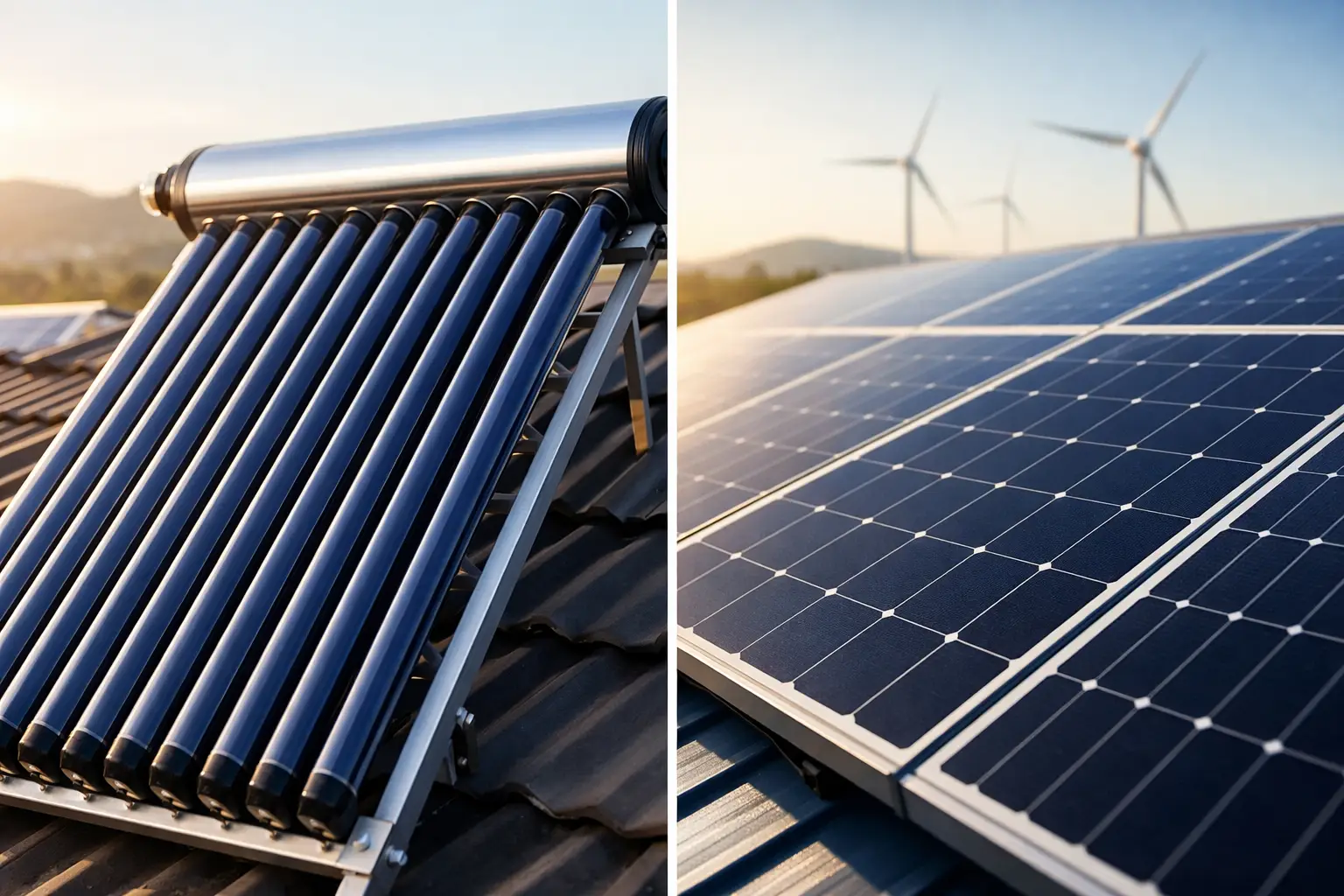
There is also solar hot water, which uses the sun to heat water rather than generate electricity. That is still solar, but it is not Solar PV. So when someone says “solar”, they could be talking about more than one kind of system. When they say “Solar PV”, they are being specific.
For most properties in South Australia, especially where the goal is lower electricity bills, backup support through batteries, or improved self-sufficiency, Solar PV is the system doing the heavy lifting.
Why the difference matters when you are getting quotes
This is not just a technical wording issue. It can affect how you compare systems, understand savings, and decide what to install.
If you ask for a solar quote without clarifying what you want, you may still end up discussing Solar PV, because that is the most common installation for homes and businesses. But the more precise you are, the easier it is to match the system to your property, energy use, and future plans.
For example, a family trying to reduce evening power use may need Solar PV paired with battery storage. A regional property may need a hybrid or off-grid setup. A commercial site may need a larger PV system designed around daytime operational loads. In each case, Solar PV is central, but the final solution depends on how the property actually uses energy.
Clear language leads to better system design. Better system design leads to better performance. That is what counts.
What Solar PV actually does
Solar PV panels capture sunlight and convert it into direct current electricity. Your inverter then converts that into usable alternating current electricity for your home or business.
Once the system is running, that electricity can power appliances, lighting, refrigeration, machinery, office equipment, EV charging, and more. If you produce more than you use at the time, the excess may be exported to the grid or stored in a battery, depending on your setup.
This is why Solar PV has become the go-to option for people who want a practical return on their investment. It directly offsets grid electricity use. For many households and commercial operators, that is where the real value starts.
What “solar” can include beyond PV
When people hear the word solar, they often picture rooftop panels straight away. Fair enough. But technically, solar can describe more than one system.
Solar hot water is the main example. It uses roof-mounted collectors to absorb heat from the sun and warm water for use around the property. It can be effective in the right application, but it does not generate electricity.
That is the key point in the solar vs solar pv comparison. If your priority is reducing your electricity account, supporting a battery, or running an EV charger more efficiently, you are talking about Solar PV. If your main concern is water heating, that is a different discussion.
Which system do most SA households actually need?
For the majority of South Australian households, Solar PV is the more relevant option because electricity prices are a major concern. Running air conditioning through summer, heating during colder months, kitchen appliances, pool equipment, home office loads, and charging devices all add up.
A properly designed Solar PV system can reduce the amount of electricity you need to buy from the grid during the day. Add a battery, and you may also use more of your own solar energy in the evening when demand is often higher.
That does not mean one setup suits everyone. A smaller household with low daytime usage may need a different configuration from a large family home. A regional property may have reliability concerns that make battery storage more attractive. The best result usually comes from looking at your usage habits, roof space, tariff structure, and long-term goals before choosing system size.
Solar vs solar pv for businesses
Commercial sites often benefit even more from understanding the difference clearly. When a business asks about solar, what they usually need is a Solar PV system designed around operating hours and load profile.
If your site uses most of its electricity during the day, Solar PV can be especially effective because that is when the system is generating. Offices, retail sites, workshops, farms, and industrial facilities can all have very different patterns of energy use, which is why proper planning matters.
The strongest commercial outcomes usually come from systems sized to match daytime demand rather than chasing a generic number. Bigger is not automatically better. The right fit is what delivers dependable savings and supports operations without unnecessary complexity.
Where batteries fit into the picture
Battery storage is not a separate answer to the solar vs solar pv question, but it is often the next step after Solar PV. A battery stores excess solar electricity so it can be used later, usually during the evening, overnight, or during grid outages if the system supports backup.
For households wanting more control over their energy use, batteries can improve self-consumption and reduce reliance on the grid. For regional properties and some businesses, they can also support resilience.
This is especially relevant in South Australia, where many property owners are looking beyond basic bill reduction. They want more certainty, better use of their solar generation, and a pathway to smarter energy management. That is where a Solar PV system paired with the right battery setup can make a real difference.
Why terminology can affect rebate conversations
When people research rebates and government-backed programs, they often search using broad terms. That is understandable, but installers and program requirements may refer more specifically to Solar PV systems, battery systems, or approved combinations of both.
Using the right term helps you understand what support applies to your situation. It also helps you ask better questions during consultations. If your aim is to install electricity-generating panels, participate in a Virtual Power Plant program, or apply for a battery rebate pathway, you are usually dealing with Solar PV as the foundation.
That is one reason experienced, accredited installers place so much importance on getting the details right from the start. Good advice is not about throwing technical jargon at customers. It is about making sure the system recommendation matches the outcome you want.
The most common misunderstanding
The biggest misunderstanding is thinking that “solar” automatically means one exact product. It does not. It is a broad term that needs context.
If someone says they are installing solar panels on the roof to power the property, they mean Solar PV. If they say they are using solar to heat water, that is something else. Both use the sun, but they solve different problems.
This becomes even more important when you are comparing installers. A reliable provider should explain the difference clearly, assess your property properly, and recommend a system based on energy goals rather than a one-size-fits-all package.
What should you ask for?
If your goal is lower electricity bills, battery readiness, EV charging support, or better energy independence, ask specifically about a Solar PV system. That tells your installer exactly what outcome you are aiming for.
You should also ask how the system size is being calculated, whether the inverter and panels suit your property, and how battery integration may work now or later. For regional and commercial properties, it is worth asking whether hybrid or off-grid design should be considered as well.
An experienced South Australian installer will not just talk about panels. They will look at your usage patterns, roof orientation, shading, switchboard requirements, compliance, and any rebate opportunities that may apply. That is how you avoid costly guesswork and end up with a system that performs properly over time.
If you have been stuck on the wording, do not let that hold you back. In practical terms, most people asking about solar are really asking about Solar PV. The important part is making sure the system behind the name is designed well, installed by accredited professionals, and built to deliver the savings and reliability you expect. If you are ready to make sense of your options, contact us today and get advice that is clear, local, and built around results.
No Comments