



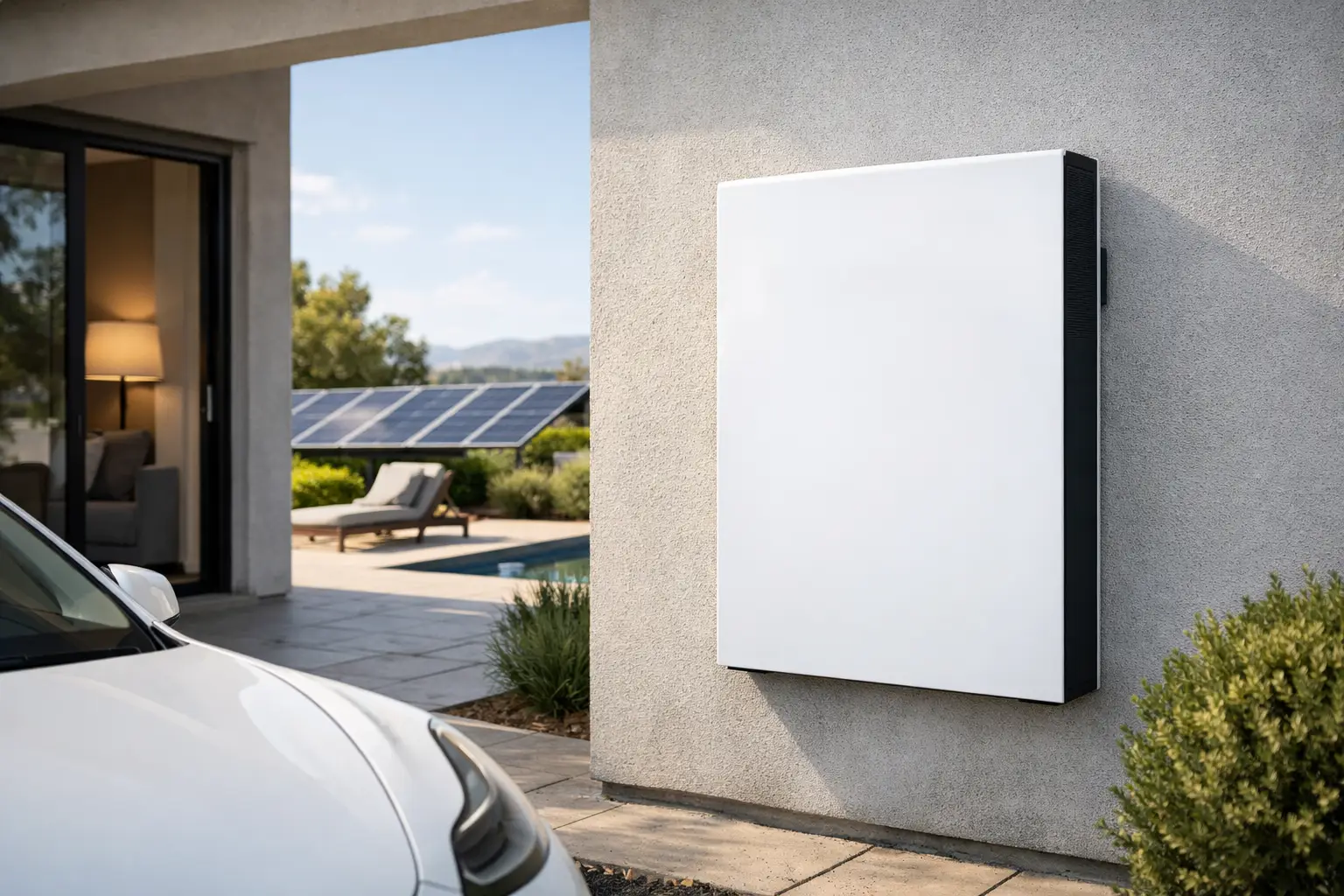
06 Jun Tesla Powerwall Battery Storage System Guide
If your power bill still bites even after solar, or you are tired of watching excess daytime generation head back to the grid for a modest feed-in return, a Tesla Powerwall battery storage system starts to make real sense. For many South Australian households and regional properties, the question is no longer whether battery storage is worth considering. It is whether the system is sized, installed and configured properly for the way you actually use energy.
That distinction matters. A battery is not just another add-on sitting in the garage or on the wall. It changes how your home stores solar, how you use electricity after sunset, and how much protection you have when grid conditions are less reliable. When done well, it can improve self-consumption, reduce peak-time grid reliance and give you more control over rising energy costs.
What a Tesla Powerwall battery storage system actually does
At a practical level, a Tesla Powerwall battery storage system stores surplus solar energy generated during the day so you can use it later. Instead of exporting all excess solar to the grid, your home can draw on stored power in the evening, overnight or during periods of high electricity tariffs.
For many property owners, that is the main appeal. Solar panels do their best work in the middle of the day, but most families use more power in the early morning and after work. Battery storage closes that gap. It helps shift your own solar production into the hours when your household actually needs it.
There is also the backup side of the equation. Depending on the design of the installation and site conditions, a Powerwall setup can support backup power during outages. That can be particularly valuable for homes with refrigeration, medical equipment, home offices or regional properties where power interruptions are more than a minor inconvenience.
Why South Australian homes are a strong fit
South Australia has been one of the strongest battery markets in the country for good reason. Electricity prices have pushed many households to look harder at long-term energy savings, while strong solar uptake means plenty of homes are already producing excess daytime power.
That creates a fairly obvious opportunity. If you already have solar, but you are still importing a lot of electricity at night, a battery can help you use more of what your roof generates. If you are installing solar for the first time, battery readiness is worth considering from day one rather than treating storage as an afterthought.
There is also a local mindset at play. South Australian homeowners tend to be practical about energy. They want systems that perform, installers who know local conditions and advice that lines up with real consumption patterns rather than sales hype. That is especially true in regional areas, where energy resilience can matter just as much as savings.
Is Tesla Powerwall right for every home?
Not automatically. A Tesla Powerwall battery storage system is a premium battery solution, and premium products make the most sense when the rest of the system design is right.
For some households, the fit is excellent. If you have solid daytime solar production, meaningful evening usage and a desire for backup capability, Powerwall can be a strong option. It also suits homeowners who want a well-known battery platform with clean monitoring and smart energy management.
But there are trade-offs. A battery will not fix poor solar panel placement, heavy winter consumption or unrealistic expectations about going fully off-grid in a standard suburban home. If your energy use is very low, or most of your electricity demand already happens during solar production hours, the benefit may be less dramatic than expected.
That is why good advice matters. The best outcome comes from looking at your bills, usage habits, switchboard setup, tariff structure and existing solar performance before recommending any battery at all.
Tesla Powerwall battery storage system with solar
The strongest battery outcomes usually come from pairing storage with a well-designed solar PV system. Solar generates the energy. The battery stores the surplus. Your home then uses that stored power when solar production drops away.
This is where system design becomes more important than brand recognition alone. The battery capacity, inverter compatibility, panel output and your evening load all need to work together. A mismatch can leave homeowners disappointed, not because the battery is poor, but because the system was never designed around real usage.
For example, a household with air conditioning running into the evening, an EV charger in regular use and higher family occupancy has very different storage needs from a smaller household that is out most of the day. Likewise, a regional property with pumps, workshops or refrigeration may place more value on backup resilience than a metro home focused purely on bill reduction.
Backup power is a major drawcard
One of the most practical reasons people ask about Powerwall is backup. In areas where outages happen from time to time, battery-backed circuits can make a noticeable difference to comfort and continuity.
That does not mean every appliance in the home will run as if nothing happened. Backup performance depends on the loads being supported and the system design. Essential circuits are usually the priority. Lighting, refrigeration, communications and selected power points are common examples. Larger loads may need to be managed carefully.
This is another area where clear, experienced installation advice matters. Homeowners are best served when expectations are set properly before installation, not after the first outage.
Installation quality matters as much as the battery itself
A Tesla Powerwall battery storage system is only as good as the workmanship behind it. Site assessment, electrical design, switchboard suitability, compliance and commissioning all affect long-term performance.
That is why many homeowners prefer dealing with established South Australian installers who handle the process end to end. Battery storage is not the place to cut corners with unverified contractors or vague promises. You want licensed, accredited professionals who understand local standards, can identify site limitations early and install the system correctly the first time.
The same applies to after-sales support. Batteries are long-term energy assets. If you need help with monitoring, system behaviour or future expansion, it is far better to be backed by a local team with a genuine service track record.
Rebate and incentive considerations
For South Australian customers, incentives can change the timing of a battery decision. Eligibility, funding windows and application requirements can all influence the value of moving ahead now rather than waiting.
This is where many households benefit from speaking with an installer that understands rebate alignment and paperwork as part of the broader consultation process. The battery itself may be the headline, but the overall outcome depends on choosing the right system, lodging the right information and making sure the installation meets scheme requirements.
If you are weighing up battery storage, it makes sense to ask what current programs may apply and whether your property is a suitable fit. Apply For The Battery Rebate Scheme if eligible, and get advice before making assumptions based on general online information.
What to consider before you enquire
Before moving forward, it helps to think about what you actually want the battery to achieve. Some homeowners are focused on lowering evening grid imports. Others want backup security. Some are planning around EV charging, while others want a pathway toward greater energy independence over time.
Your answer affects the recommended setup. It also helps shape whether one battery is suitable, whether your solar array needs attention first, and whether your switchboard or metering arrangement requires upgrades.
A good consultation should cover your recent power bills, the size and age of any existing solar system, the appliances you rely on most, and whether you want backup on selected circuits. It should also give you a realistic picture of likely performance rather than a blanket promise.
Why local experience gives you a better result
Battery storage is not just about product supply. It is about matching a premium solution to South Australian conditions, property types and energy habits. Homes in Adelaide suburbs, newer estates, hills properties and regional sites all come with different installation realities.
That is where an experienced local provider earns their place. A team that has worked across South Australia for years can spot issues early, recommend the right configuration and guide customers through the process with less guesswork. That confidence matters when you are investing in a system designed to deliver value over many years.
If you are considering a Tesla Powerwall for your home or property, take the next step with a proper site-based conversation rather than a rough estimate. Enquire Now and get advice that reflects your roof, your usage and your goals, because the right battery system should do more than look impressive on paper – it should work hard for your household from day one.
No Comments