



04 Jun Can I Get a Grant for a Solar Battery?
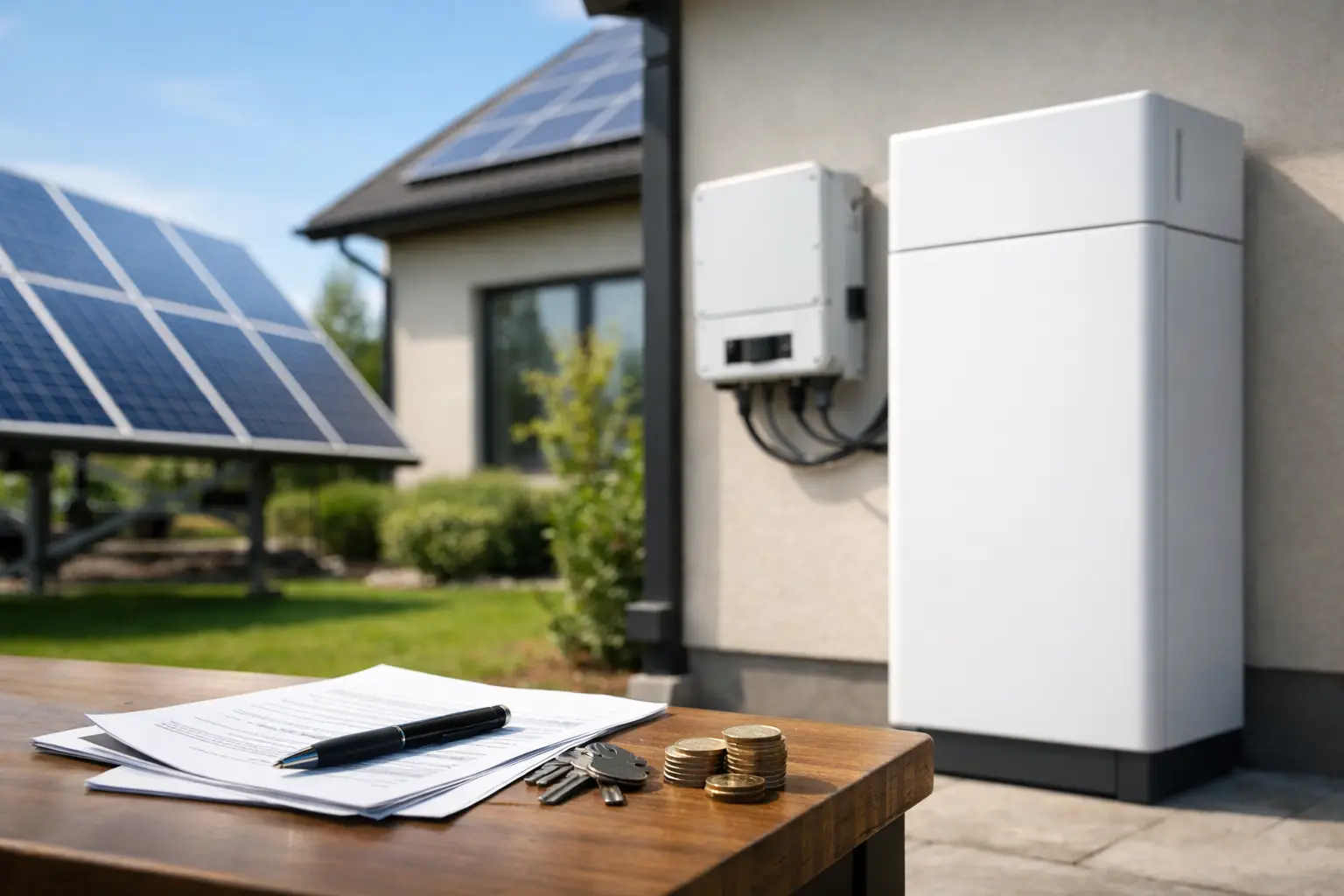
If your power bill keeps climbing and you are looking at battery storage, the first question is usually the same – can I get a grant for a solar battery? In South Australia, that question can have a promising answer, but it depends on where you live, the type of property, the system you want, and whether the current rebate or incentive program matches your circumstances.
The key point is this: battery support is rarely as simple as filling in one form and waiting for approval. Grants, subsidies, and rebate-style programs can change, pause, reopen, or come with strict eligibility rules. That is why homeowners and business operators need advice that is current, local, and based on the actual system being installed.
Can I get a grant for a solar battery in South Australia?
In many cases, South Australians may be able to access some form of support for battery storage, but not everyone will qualify and not every battery setup will fit the rules. Some programs are aimed at households. Others are tied to broader energy initiatives, including Virtual Power Plant participation, grid support goals, or bundled solar and battery outcomes.
For regional property owners, there can also be different considerations. A property on the fringe of the grid, a rural home with supply reliability issues, or a site that would benefit from hybrid or off-grid capability may have stronger reasons to install a battery, but that does not automatically mean a grant will apply. Eligibility is often based on program criteria rather than need alone.
For commercial operators, the answer is even more dependent on project scope. Some businesses assume battery grants work the same way as household incentives. They often do not. Commercial systems can involve different approvals, energy profiles, and return-on-investment calculations, so the support pathway may look different from a residential application.
What counts as a grant for a solar battery?
People often use the word grant to describe any financial support, but there is a difference between a direct grant, a rebate, a subsidy, a finance support program, or a benefit linked to joining a Virtual Power Plant. The end result may still reduce your upfront cost or improve the value of the installation, but the structure matters.
A direct grant usually means a government-backed contribution that reduces what you pay. A rebate may be applied after approval or installation, depending on the scheme. Some programs are designed around battery-ready packages, while others focus on approved products, approved installers, or income and property requirements.
That is why it pays to ask the right question. Instead of only asking can I get a grant for a solar battery, it is smarter to ask what battery incentives are available right now for my property and my energy usage. That gives you a clearer picture of what is actually on the table.
The main factors that affect eligibility
The most common reason people miss out is assuming every battery qualifies. Programs are usually built around specific conditions. Your property type matters, your location matters, and the battery brand and installer can matter too.
In South Australia, support schemes have often favoured systems installed by accredited providers and matched to recognised product standards. That protects consumers, but it also means a cheap offer from an unproven installer can create problems later. If the paperwork, approvals, or product compliance are wrong, the grant pathway can fall apart quickly.
Your existing solar setup also affects the answer. Some households are adding a battery to solar panels they already have. Others are installing solar and battery storage at the same time. In some cases, that is straightforward. In others, the existing inverter, switchboard, metering, or system design may need upgrading before a battery can be approved or installed properly.
Income thresholds, owner-occupier status, concession card status, and primary residence rules can apply under certain programs as well. Commercial sites may face an entirely different set of conditions. This is where generic online advice often falls short. Two properties in the same suburb can have very different outcomes.
Why a battery grant is only part of the decision
A grant can make a battery far more attractive, but it should not be the only reason you install one. A battery needs to suit the way you actually use power. If your household uses most of its electricity during the day, the savings profile may differ from a home with heavy evening usage. If you want blackout protection, that needs to be considered in the system design from the start.
There is also a difference between wanting lower bills and wanting greater energy independence. Some customers are mostly focused on reducing reliance on the grid. Others want backup support during outages. Regional clients may be more interested in resilience than simple bill reduction. The right battery setup depends on those priorities.
That is why a proper consultation matters. A good installer does not simply chase the biggest advertised incentive. They look at your roof, your current usage, your future energy needs, and whether a battery will deliver real value over time.
How to improve your chances of qualifying
The easiest way to improve your chances is to start with a compliant system design and an accredited installer who understands South Australian rebate requirements. Many applications run into trouble because the customer starts with a product first and only asks about incentives later.
It is usually better to begin with the property and the outcome. Are you trying to store excess solar generation in the evening? Do you want backup power for essential loads? Are you preparing for an EV charger? Are you on a regional property where reliability is an issue? These details shape the recommendation and can affect which battery option makes sense.
It also helps to have your current electricity bills ready, along with any details about your existing solar system. That gives the installer a clearer picture of your usage profile and helps identify whether your setup is battery-ready or whether upgrades may be needed.
If a scheme is available, timing matters. Incentive programs can be capped, revised, or placed on hold. Waiting too long can mean missing the window. Rushing in without checking eligibility can be just as costly. The strongest approach is to confirm what is available now and move ahead with the right documentation from the start.
Can you get support if you already have solar?
Yes, often you can, but not automatically. Many South Australian households already have solar panels and want to add storage later. That can be an excellent upgrade, especially if your feed-in return is modest and you would rather keep more of your own generation for use at night.
The catch is that not every older solar system is ready for a battery. Compatibility matters. Your inverter, meter configuration, switchboard, and export setup may all need to be reviewed. In some homes, adding a battery is simple. In others, there are extra technical steps before the system can be installed safely and in line with current standards.
This is where experienced, fully licensed installers make a real difference. They can identify issues early, explain the trade-offs clearly, and help you avoid applying for a battery pathway that does not suit the system already on your home.
What South Australian property owners should do next
If you are asking can I get a grant for a solar battery, the next step is not guessing. It is getting your property assessed properly. A battery is a serious upgrade, and the best result comes from matching the right product, the right installation method, and the right incentive pathway to your site.
For households, that means checking current eligibility, system compatibility, and whether your usage pattern justifies storage. For regional properties, it means considering resilience and grid reliability as well as savings. For commercial operators, it means reviewing load profile, operational goals, and long-term energy strategy before making a decision.
At Allstate Solar, that practical, end-to-end approach is what gives customers confidence. You want qualified advice, clean installation, and guidance that lines up with current South Australian programs – not a sales pitch built on outdated rebate claims.
A battery can be a smart move, and the right support can make it even more worthwhile. The important thing is making sure the incentive fits the system, and the system fits the way you live or work. If you are ready to find out what may apply to your property, now is the right time to ask the question properly and get clear answers before the next rebate window shifts.
No Comments